

Retrofits For Live Packing And Palletising Lines
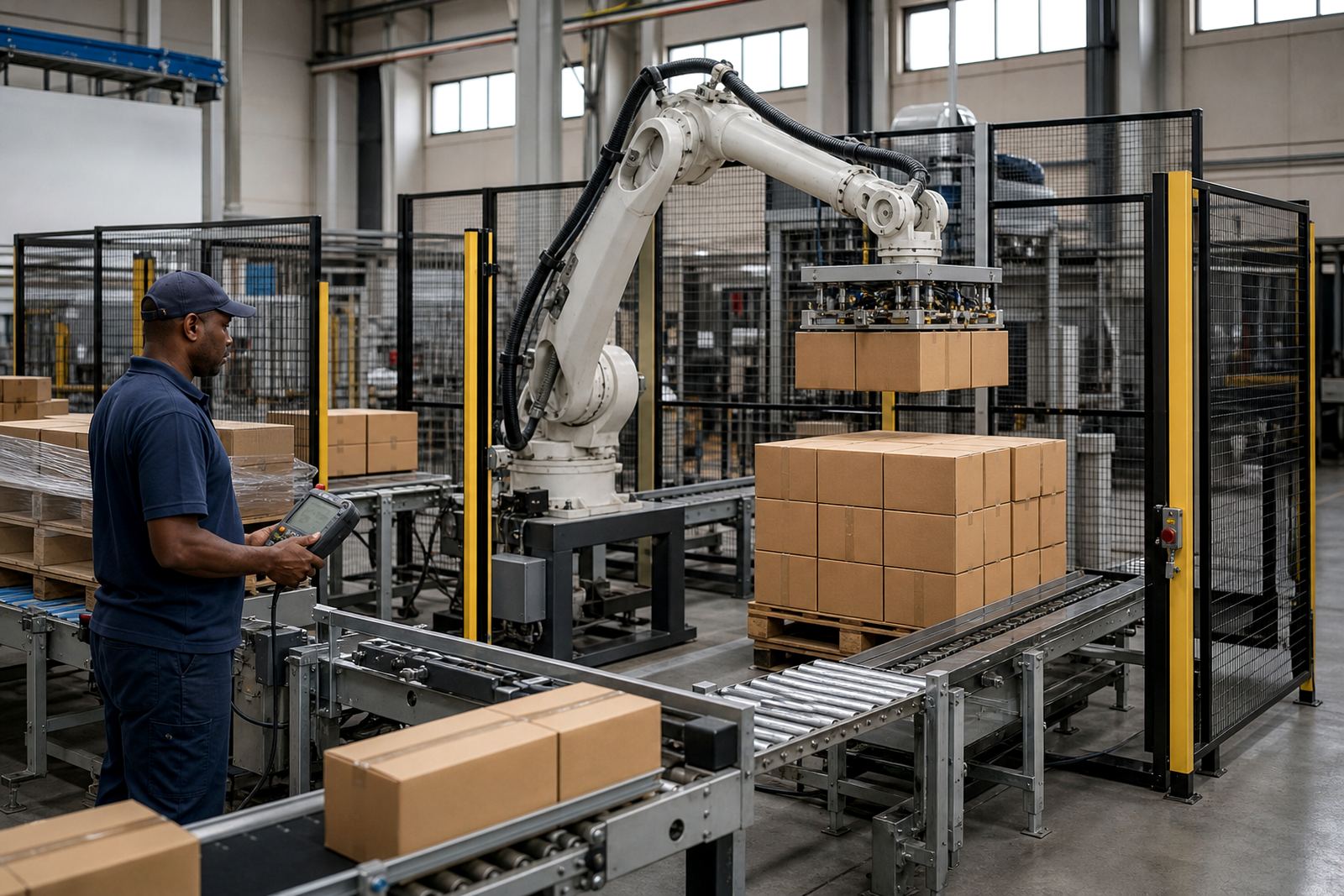
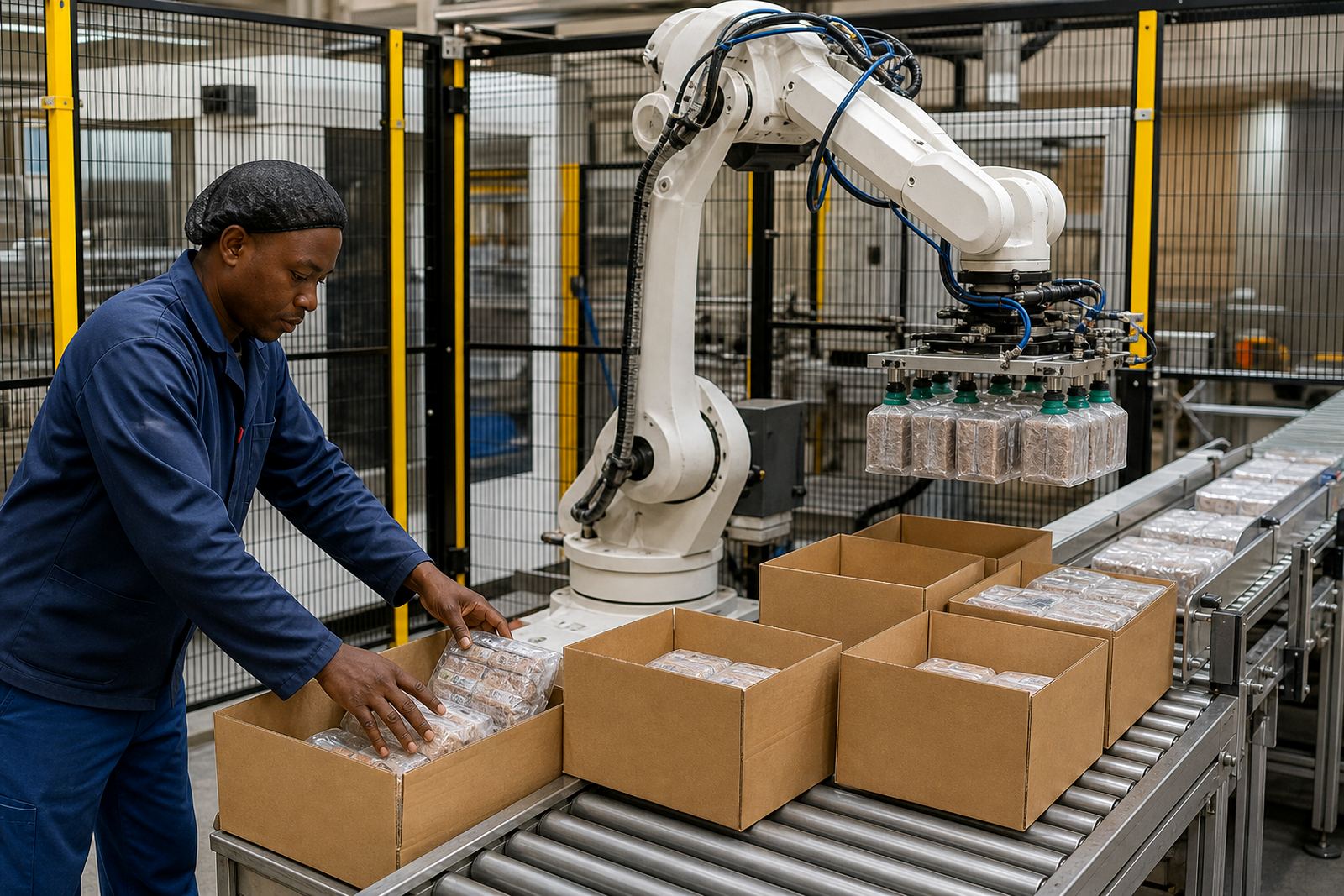
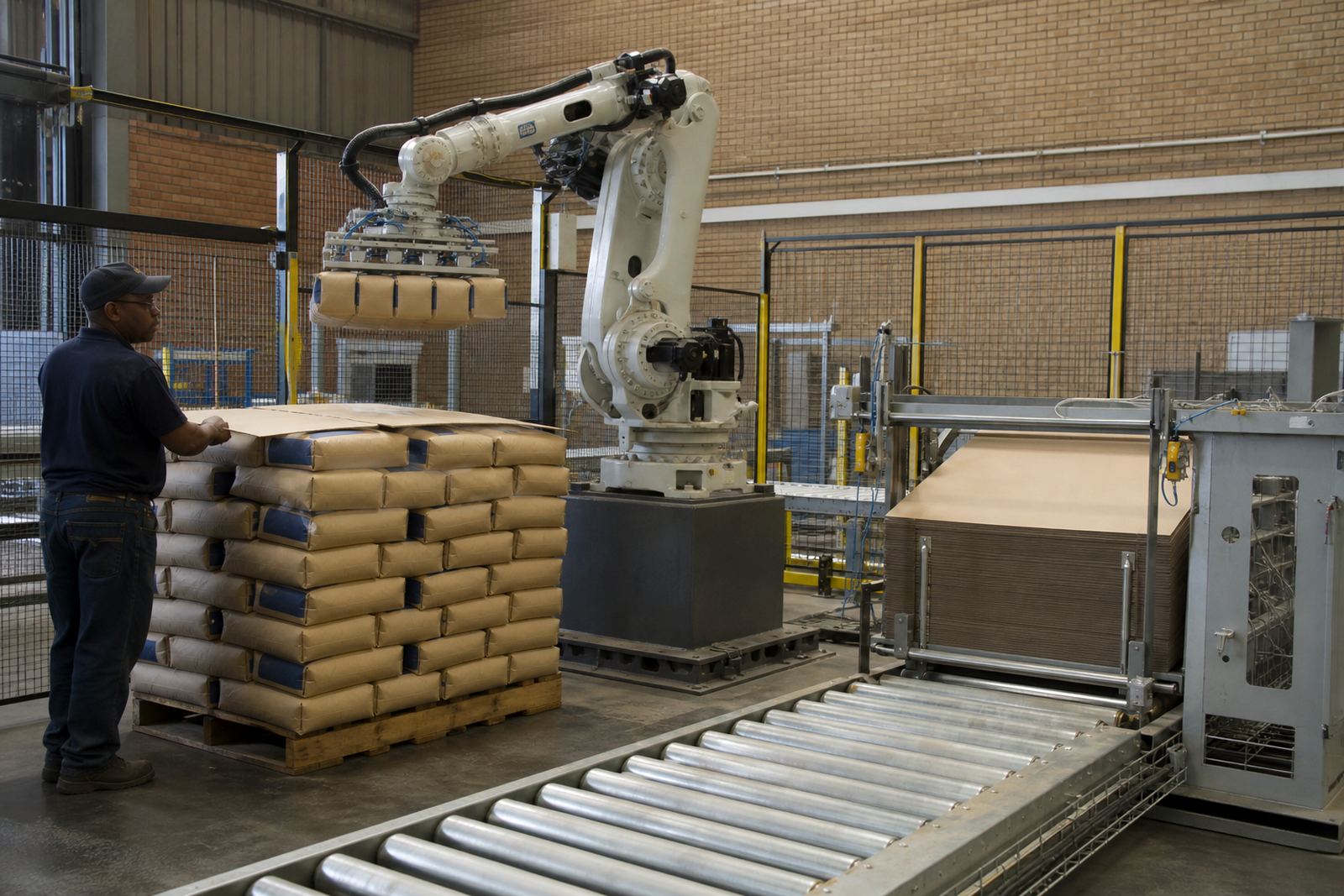
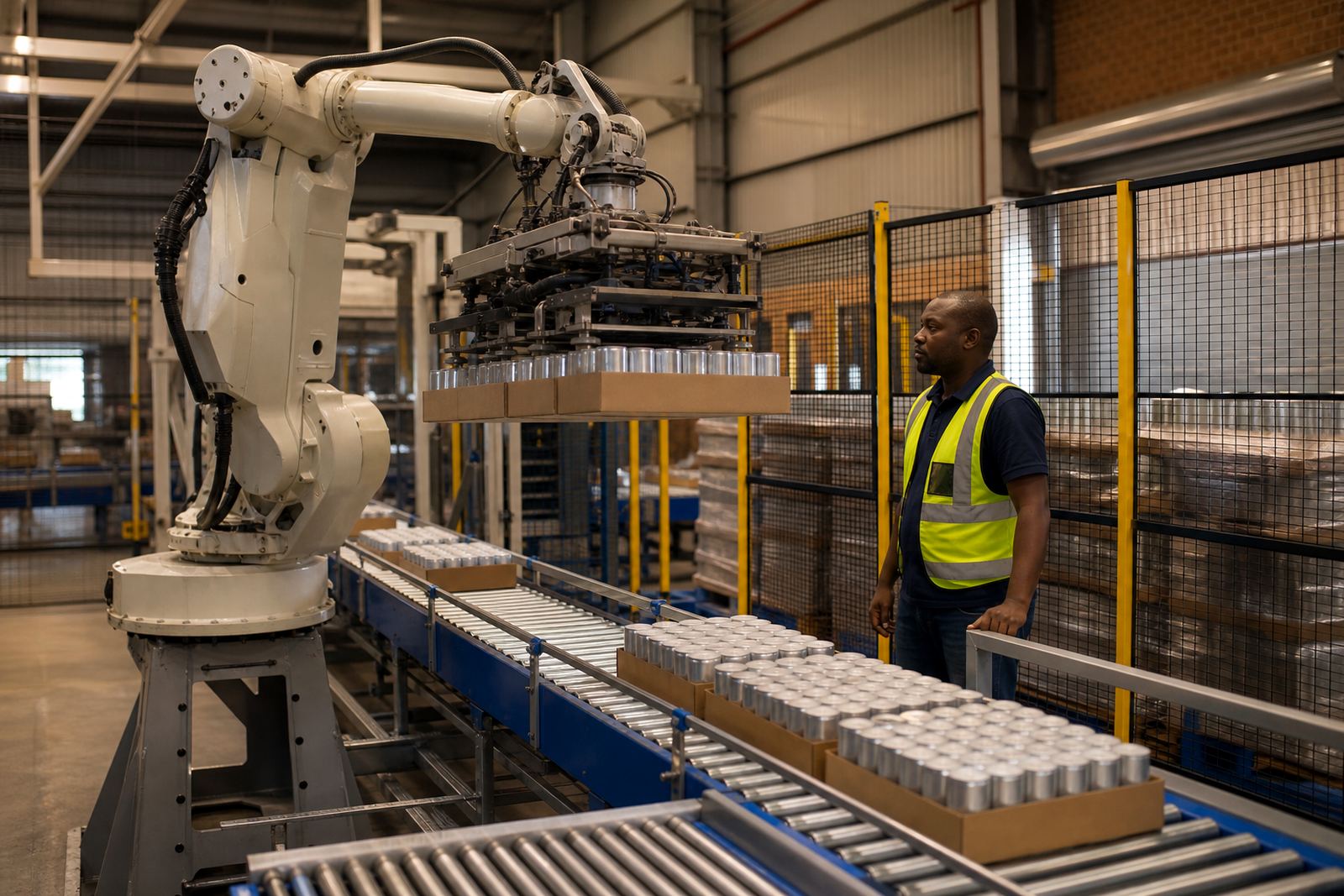
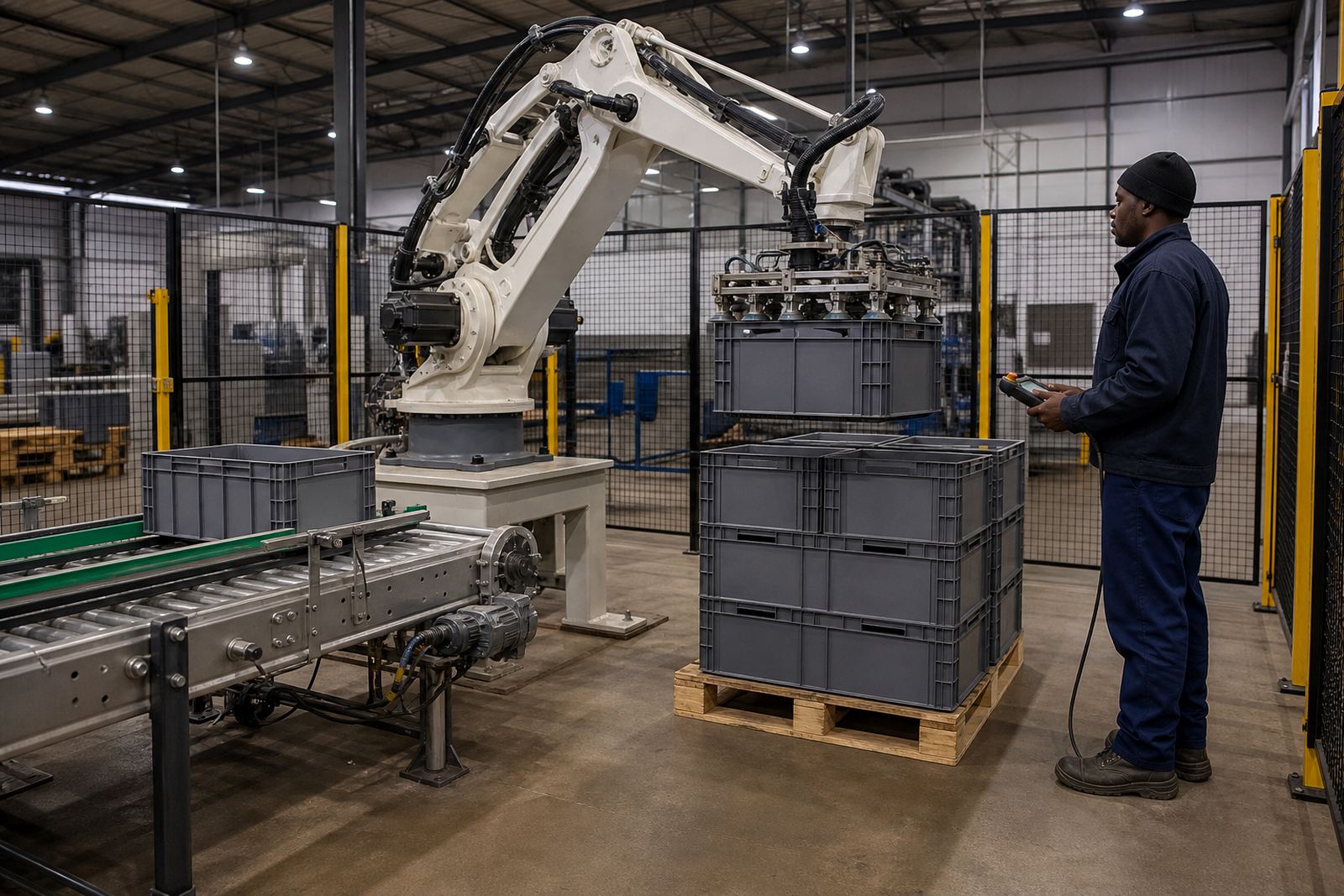
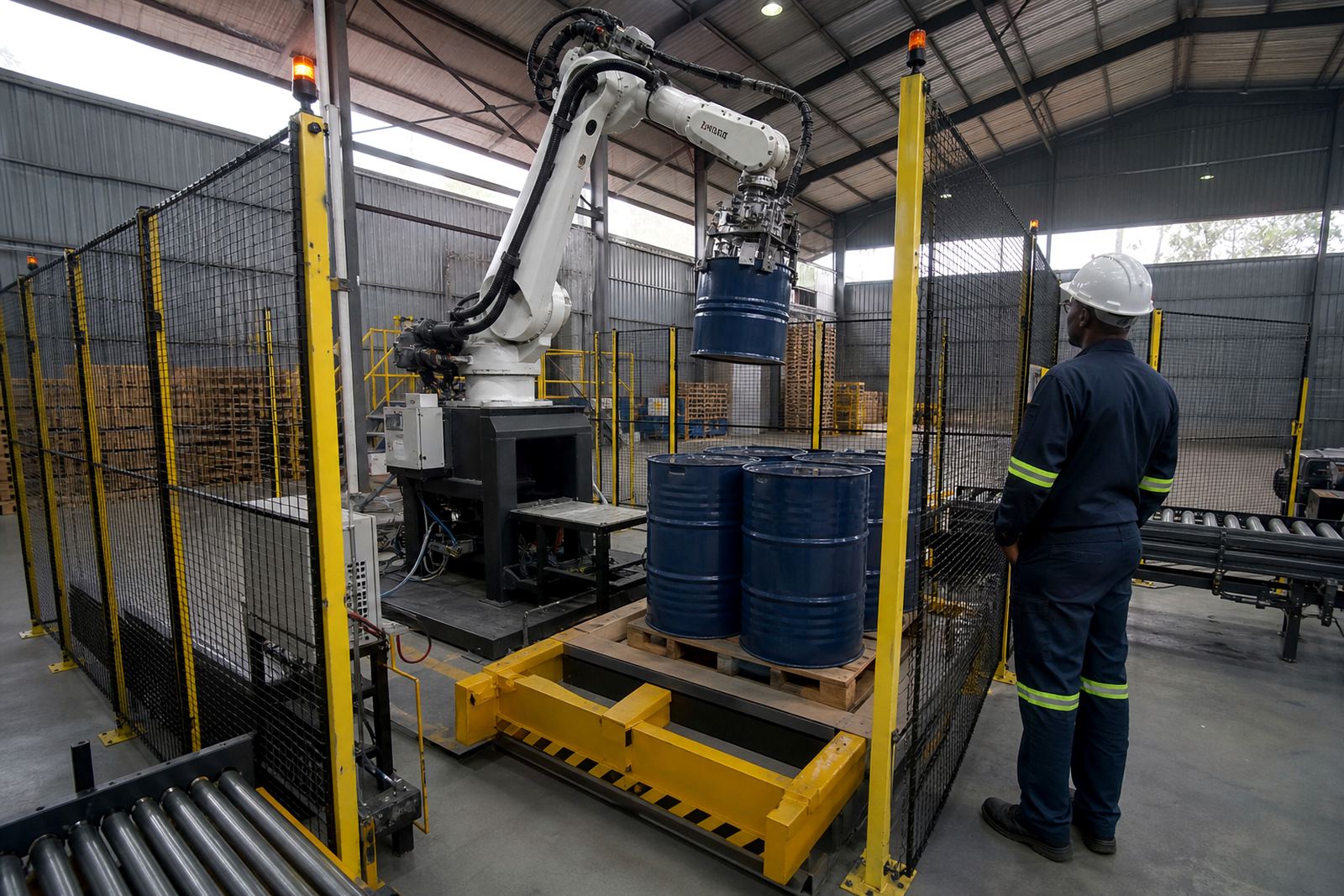
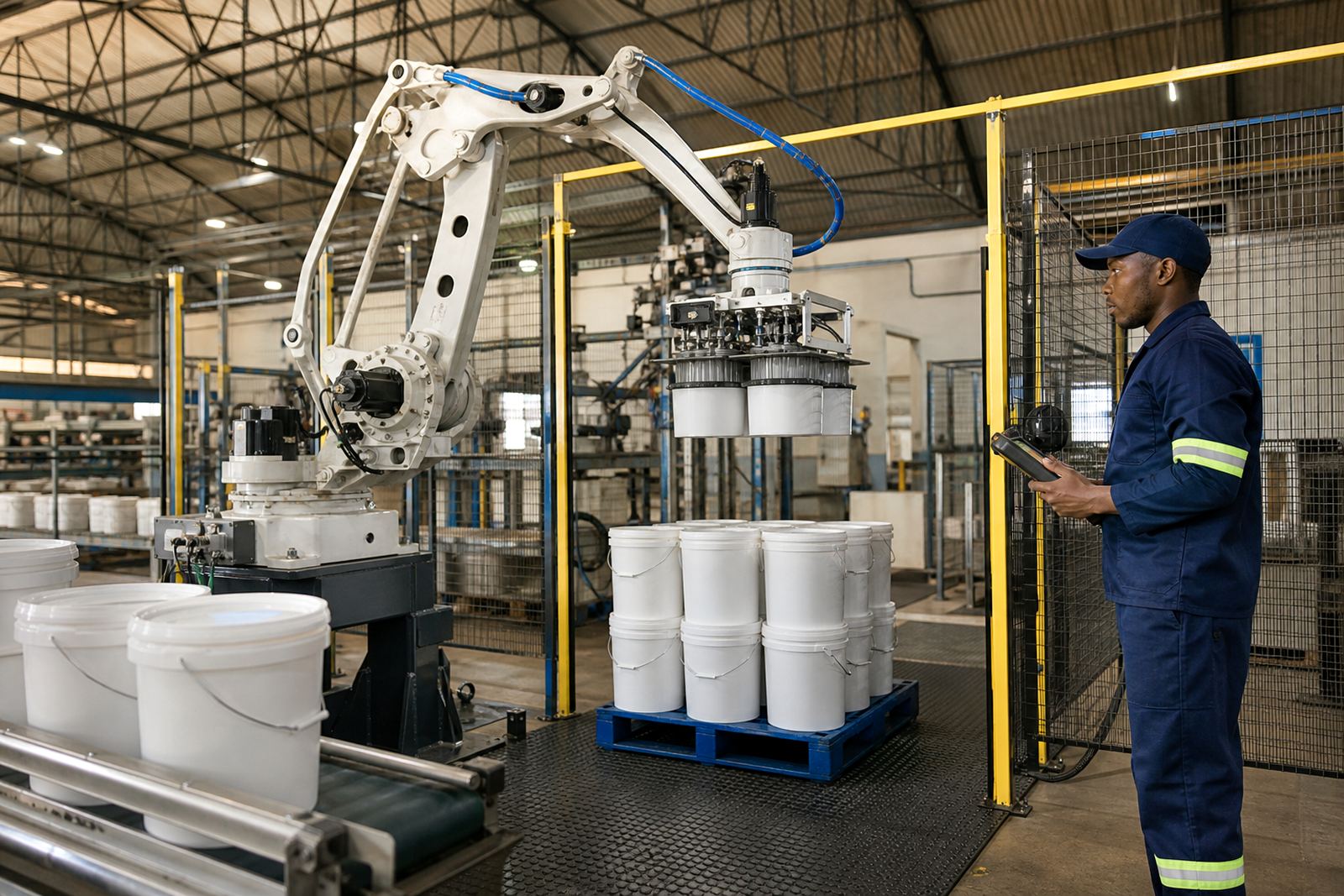
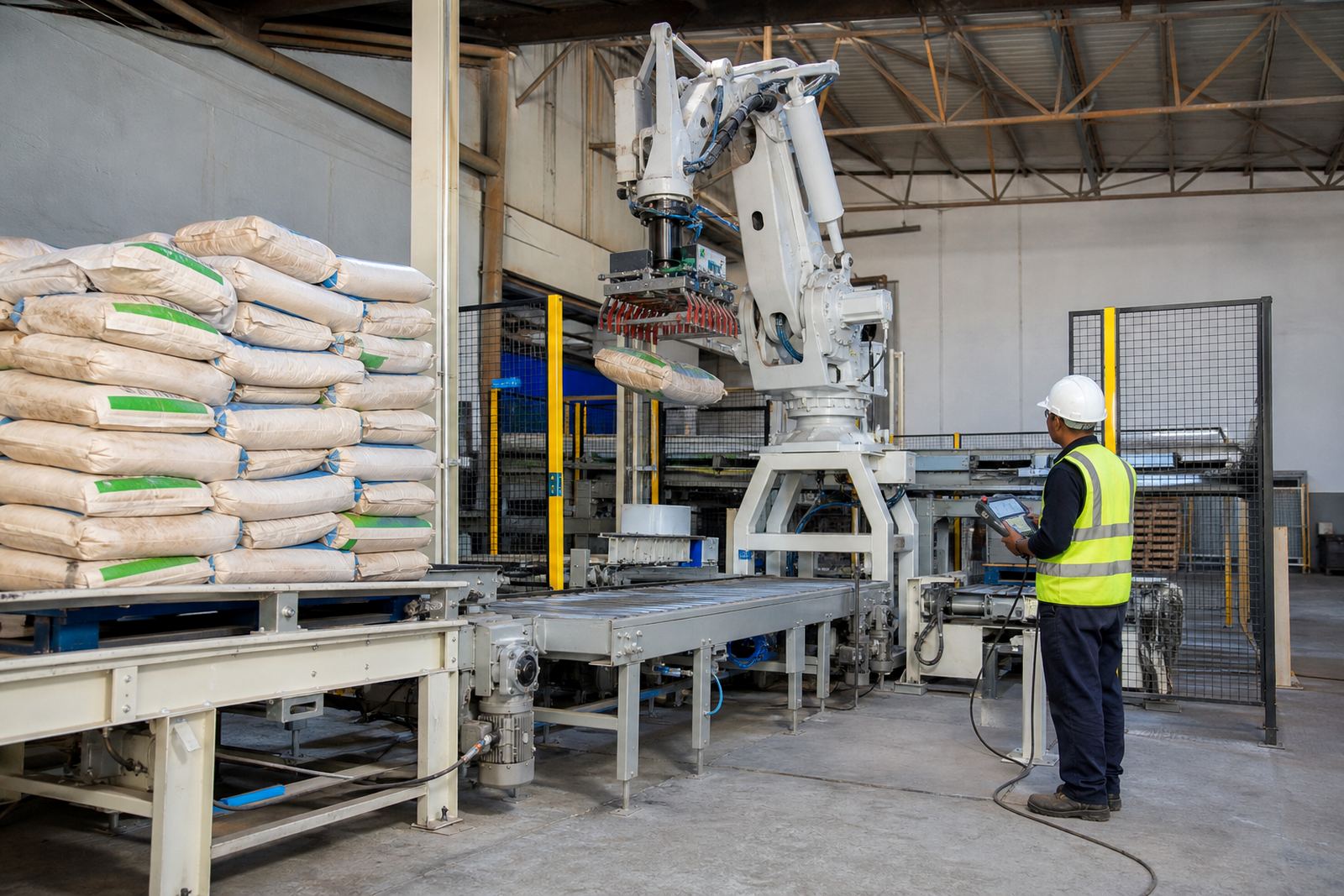
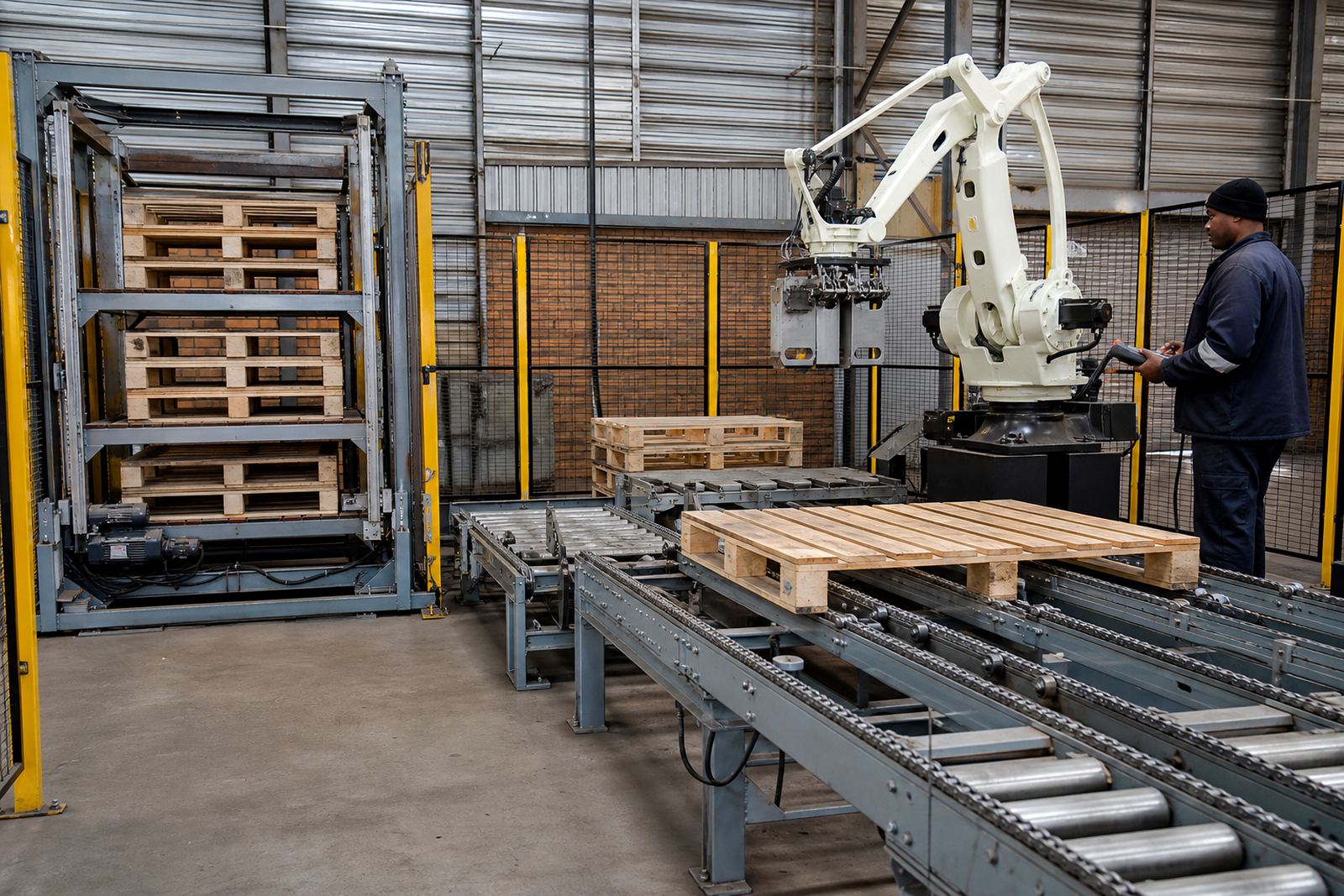
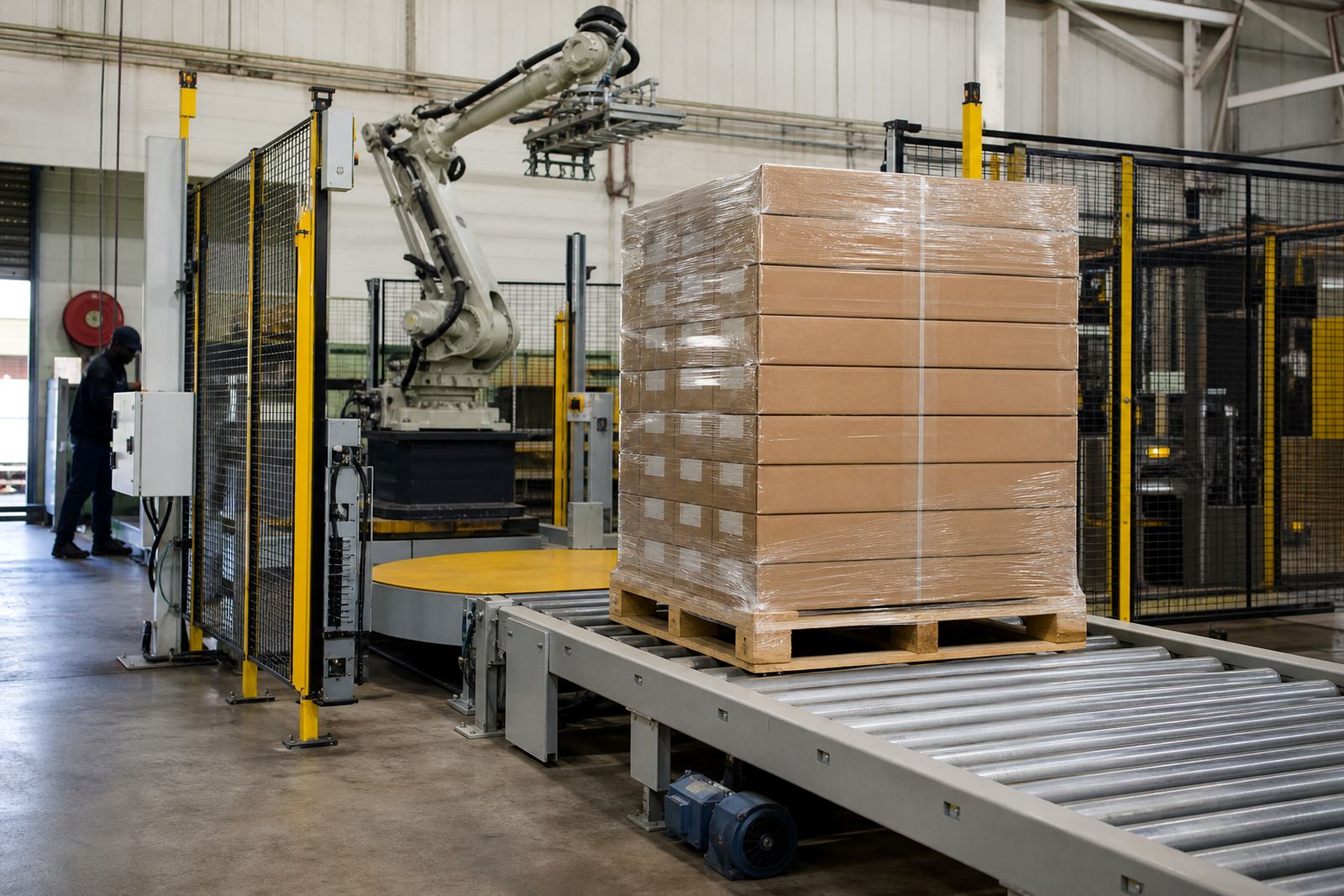
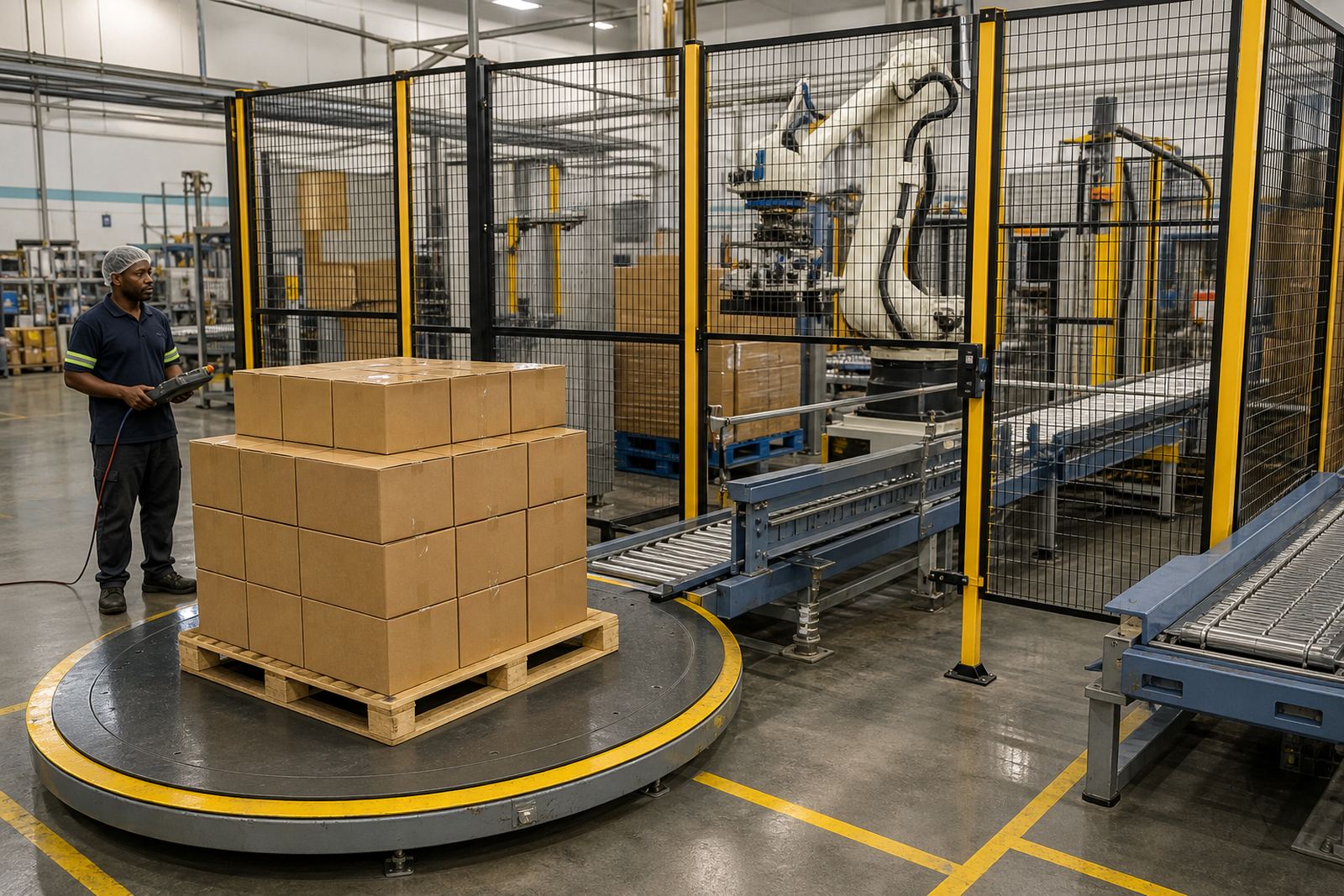
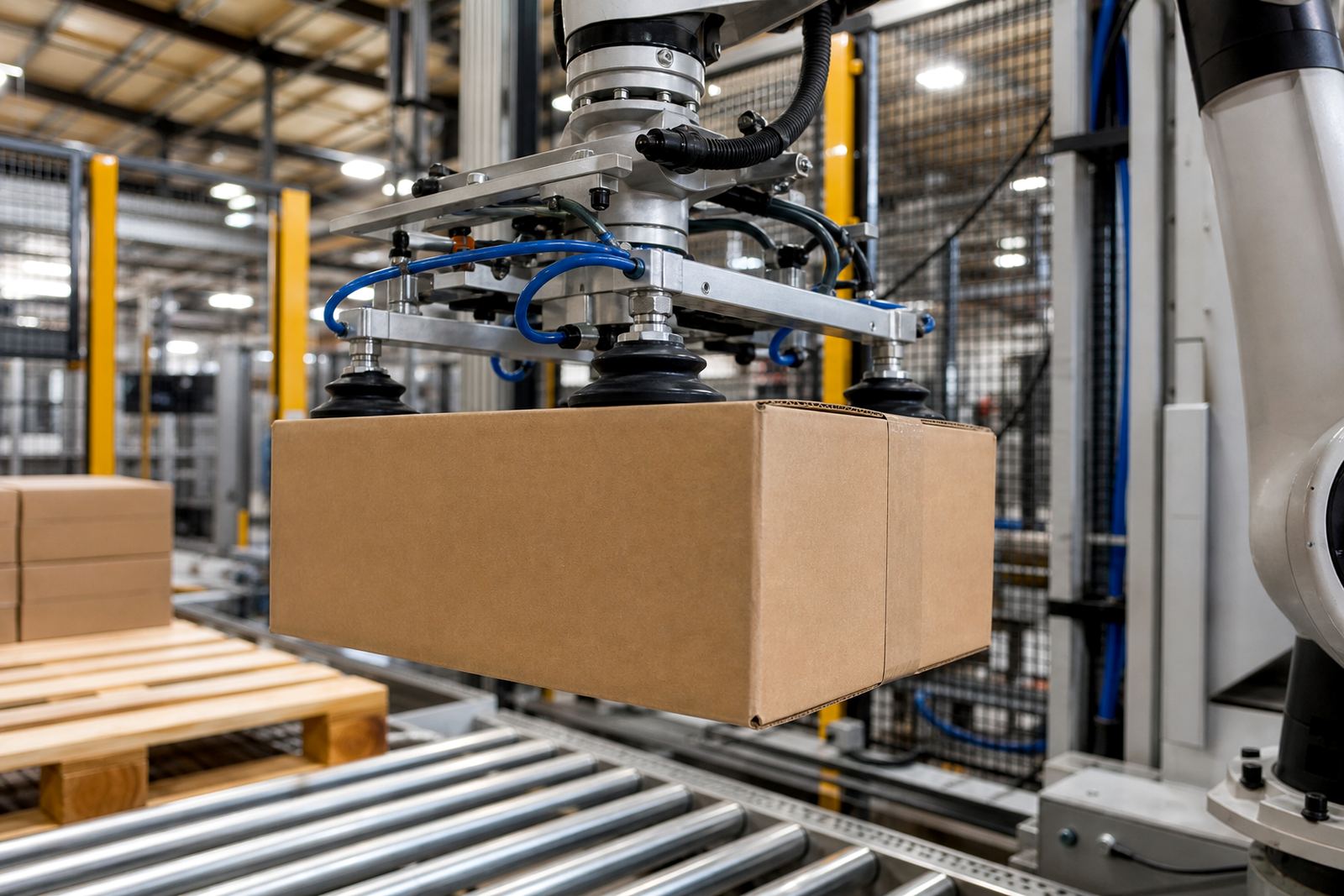
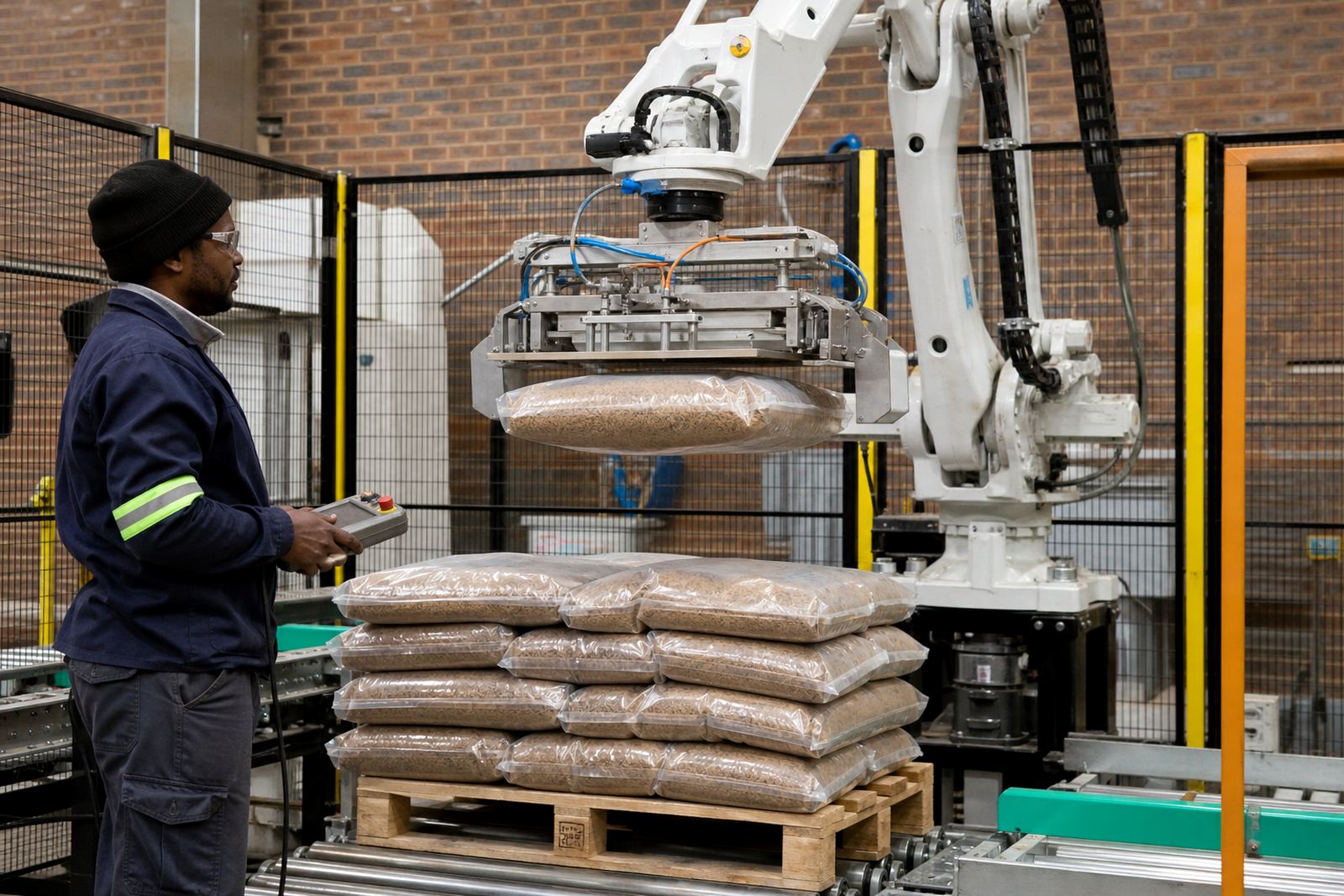
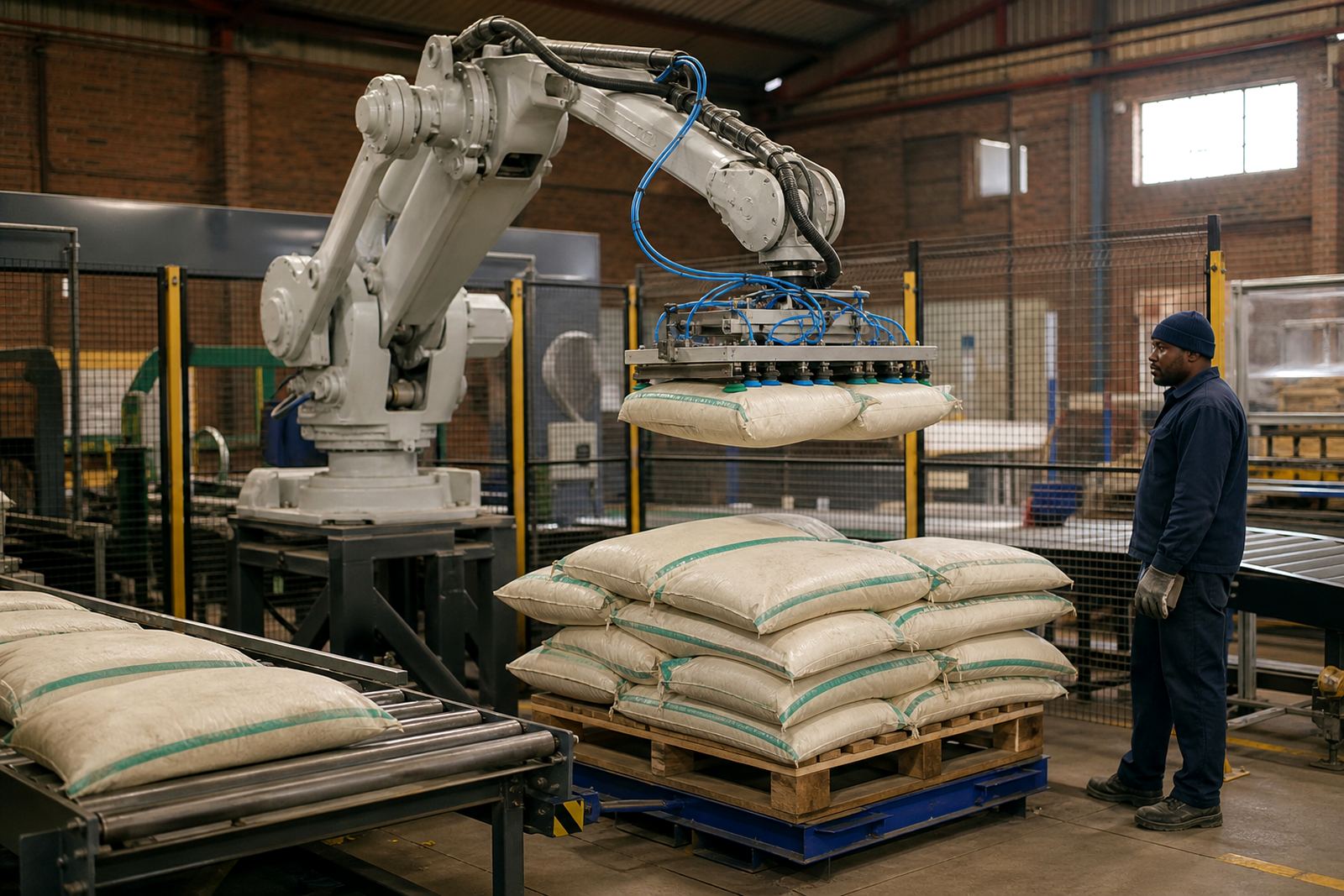
Many plants in Gauteng, KZN, the Western Cape and the Eastern Cape still rely on hand packing, manual stacking or older end of line equipment. A retrofit lets you introduce robotic handling without tearing out the full line. That means the new system is planned around what is already on site, from infeed conveyors and case erectors to wrapping stations and pallet dispatch.
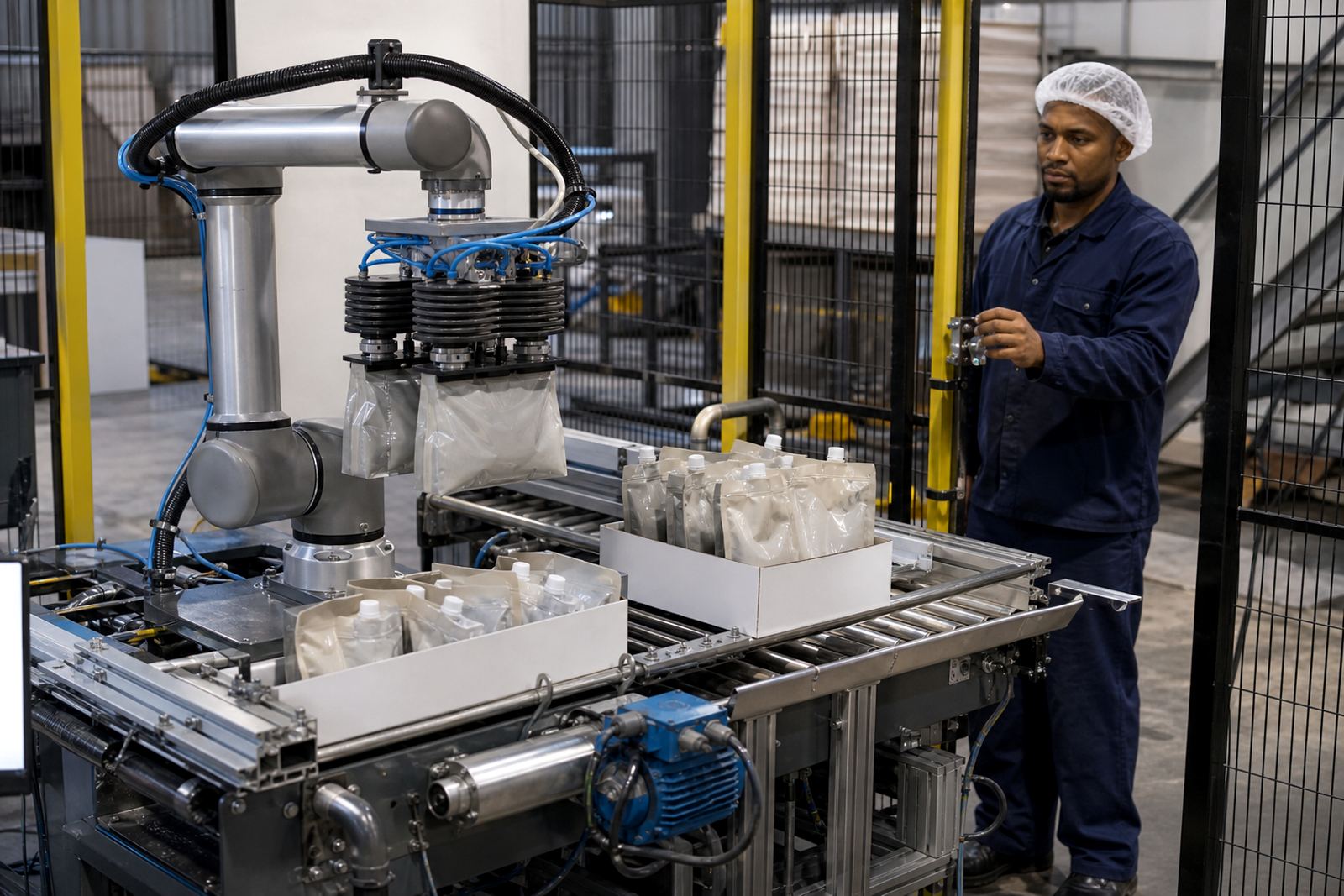
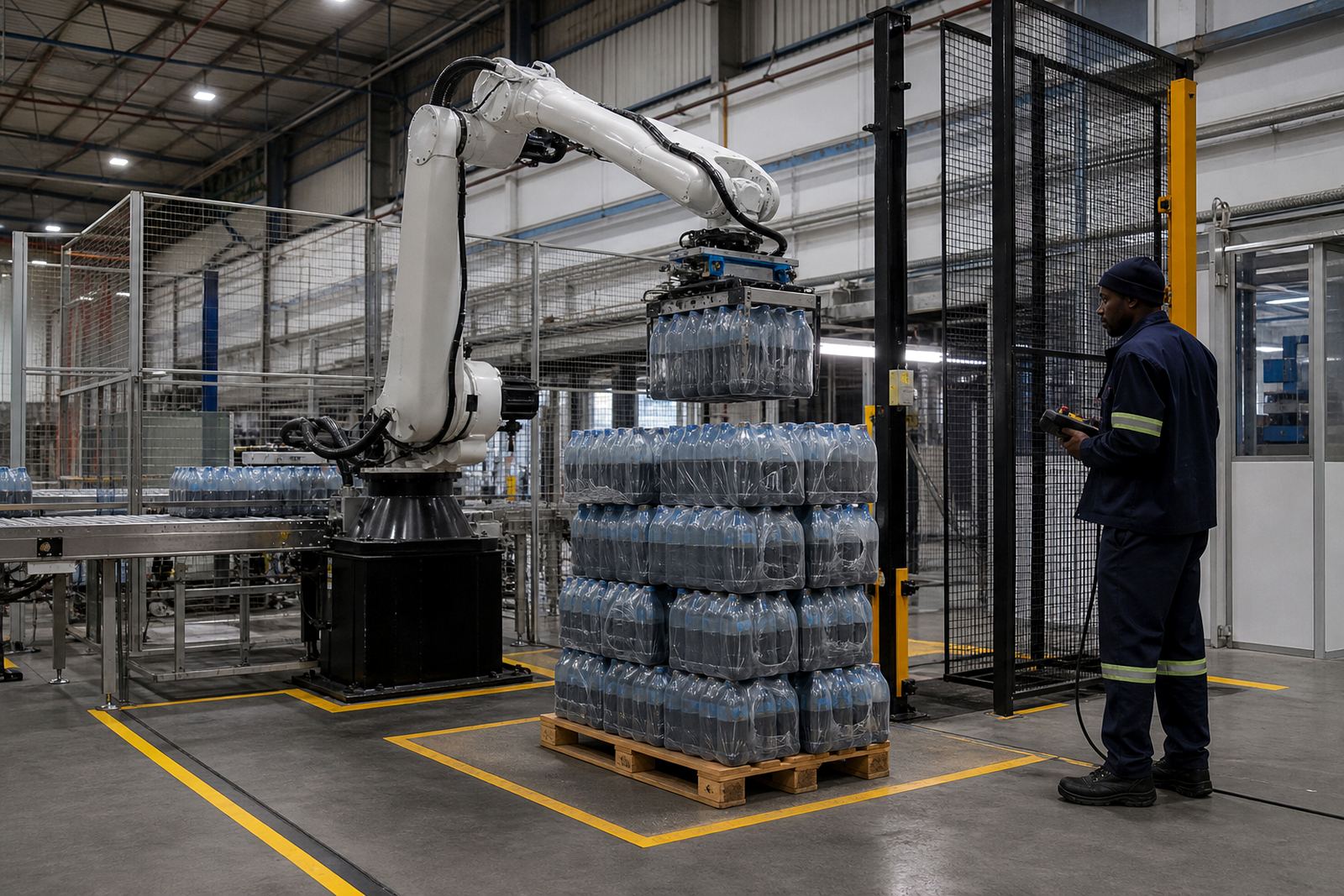
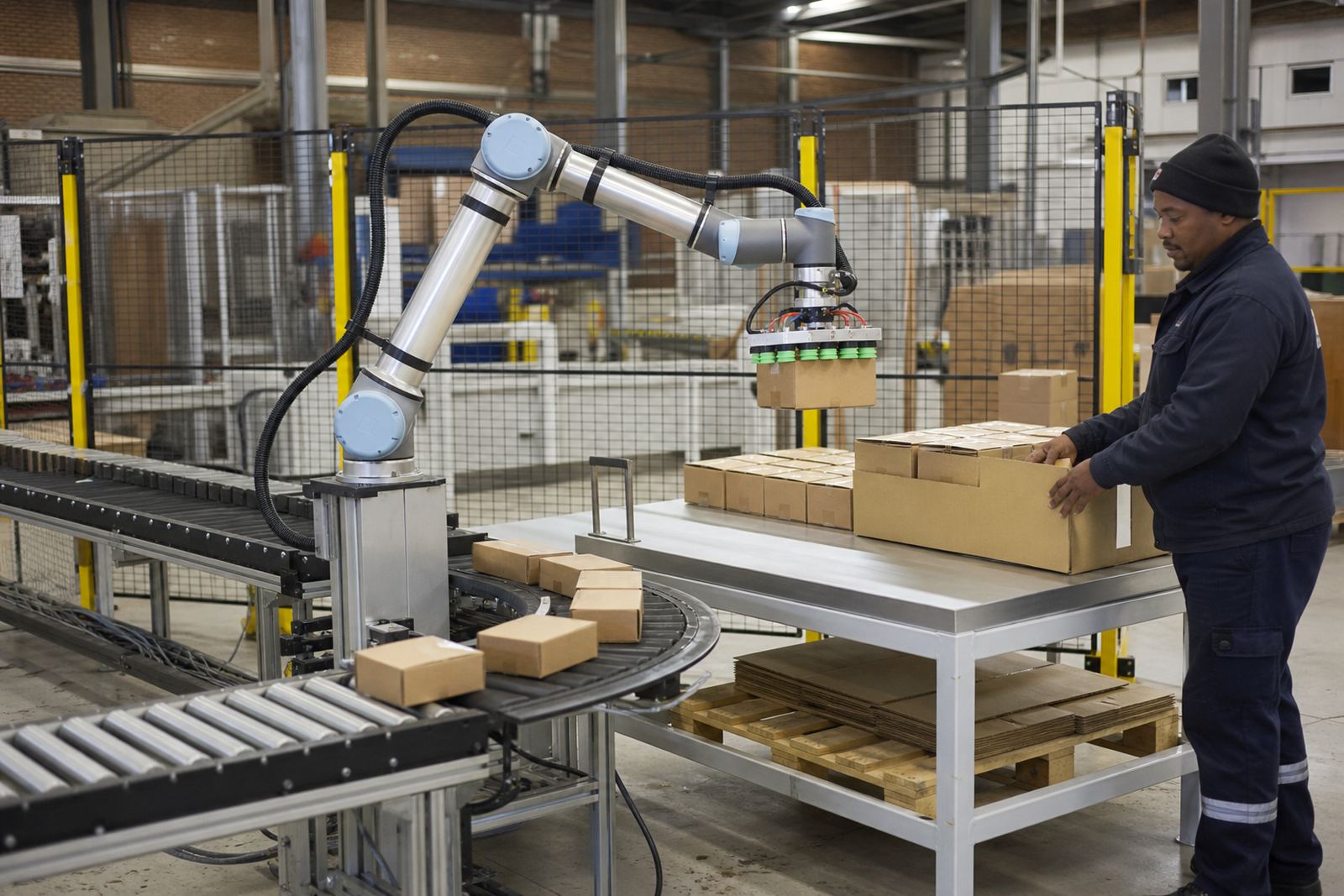
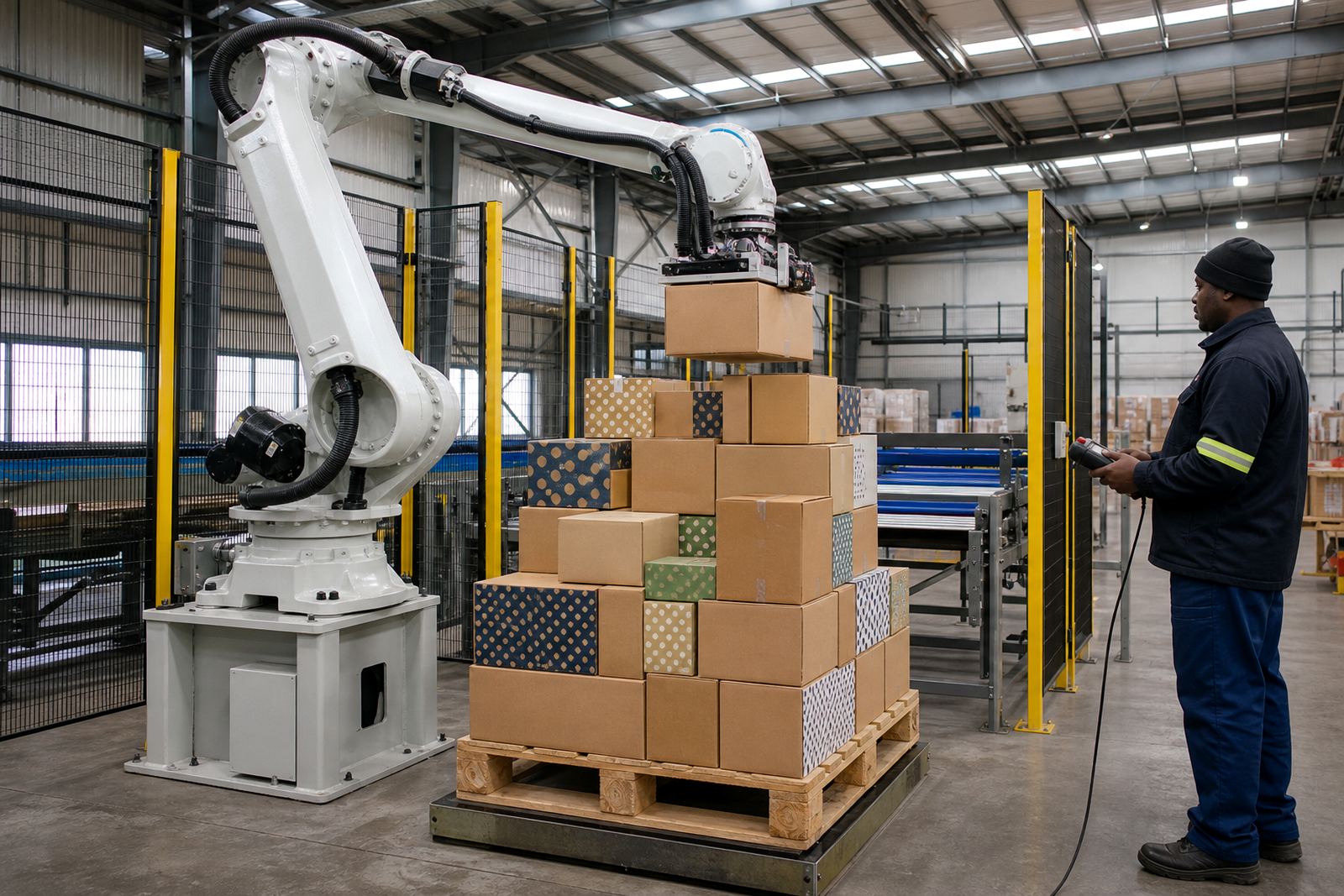
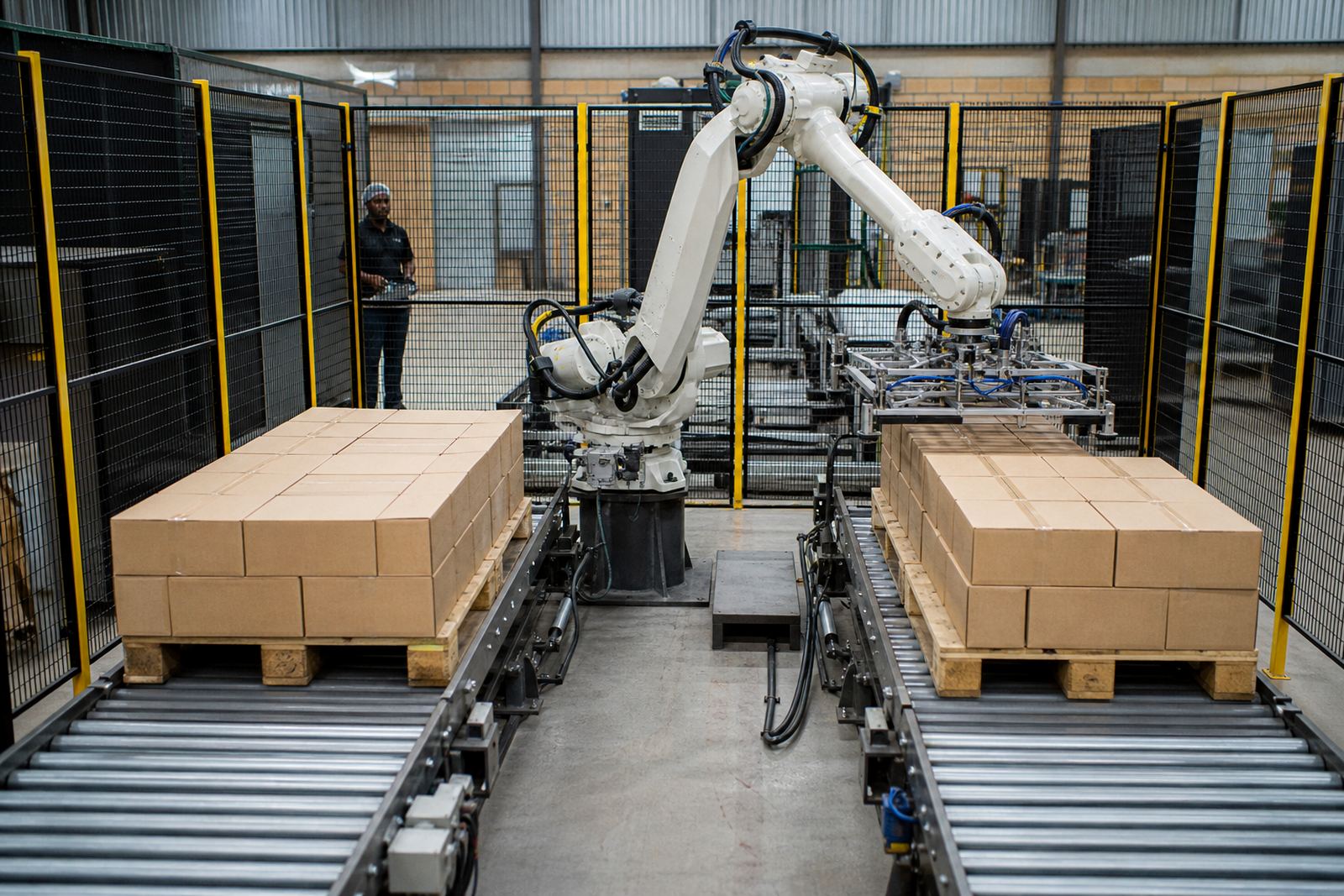
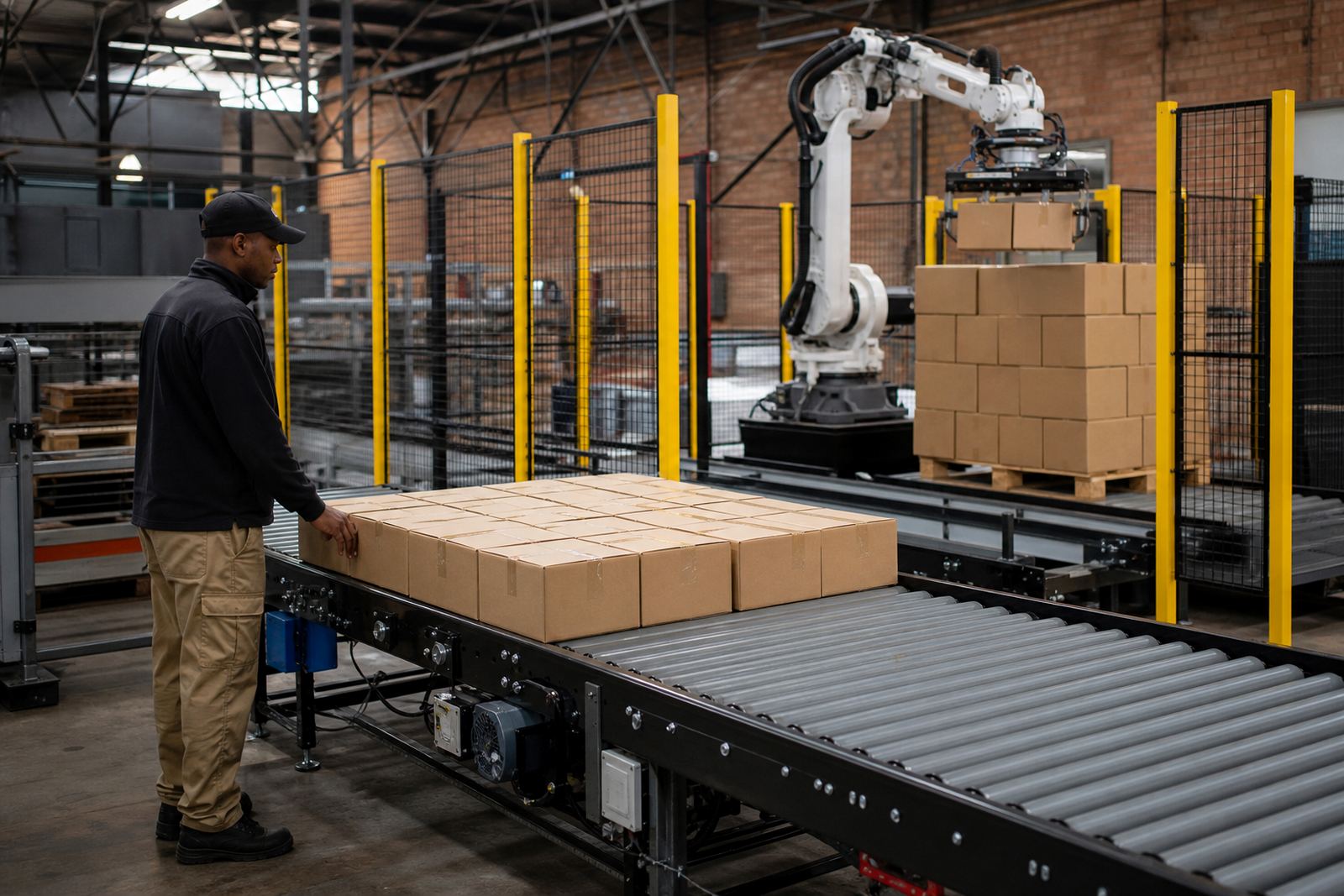
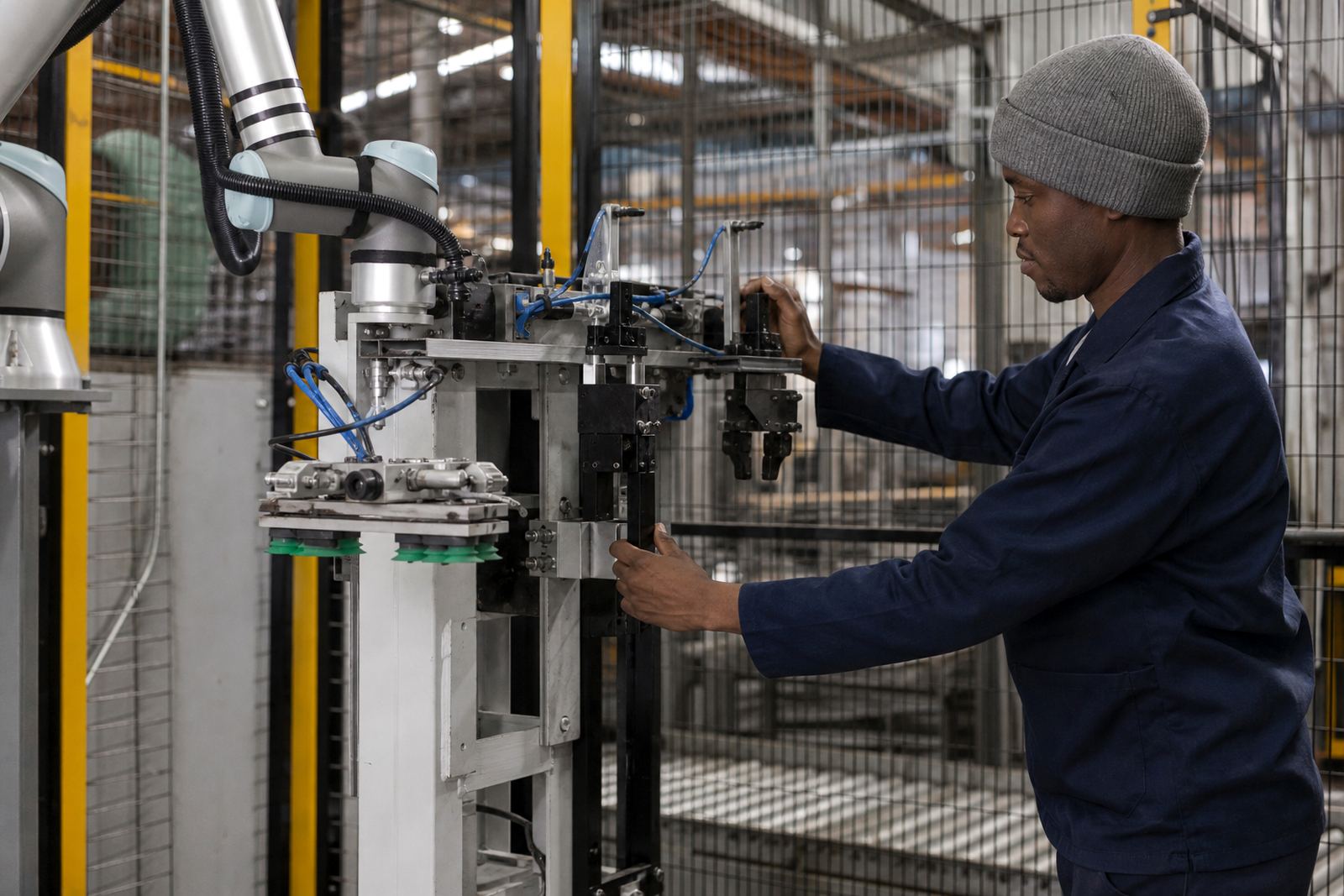
At ReAutomated, the focus is on practical changes that fit the plant layout, the product type and the shift pattern. Some lines need a cobot for lighter repetitive work, while others need a full robot cell for higher throughput and heavier cartons. The right choice depends on product size, layer pattern, pallet height, available floor space and how the line is fed, not just on speed.
How To Choose The Right Retrofit Scope
Every line is different, so the first step is a site line survey. That survey looks at product flow, conveyor heights, transfer points, guarding, access routes and operator movement. It also checks where the current bottlenecks are, because often the robot is not the only issue. Poor product presentation, unstable cases or uneven pallet build quality can slow the whole line.
- Use a cobot where space is tight and the product is light to medium weight.
- Use a traditional robot cell where duty cycles are higher or reach is needed.
- Keep existing conveyors where they are sound and correctly aligned.
- Change transfer points where product orientation is inconsistent.
- Allow for future growth if the line may run different pack sizes later.
The aim is not to over engineer the job. It is to match the retrofit to the real production requirement and the available plant room.
Conveyor Integration And Product Presentation
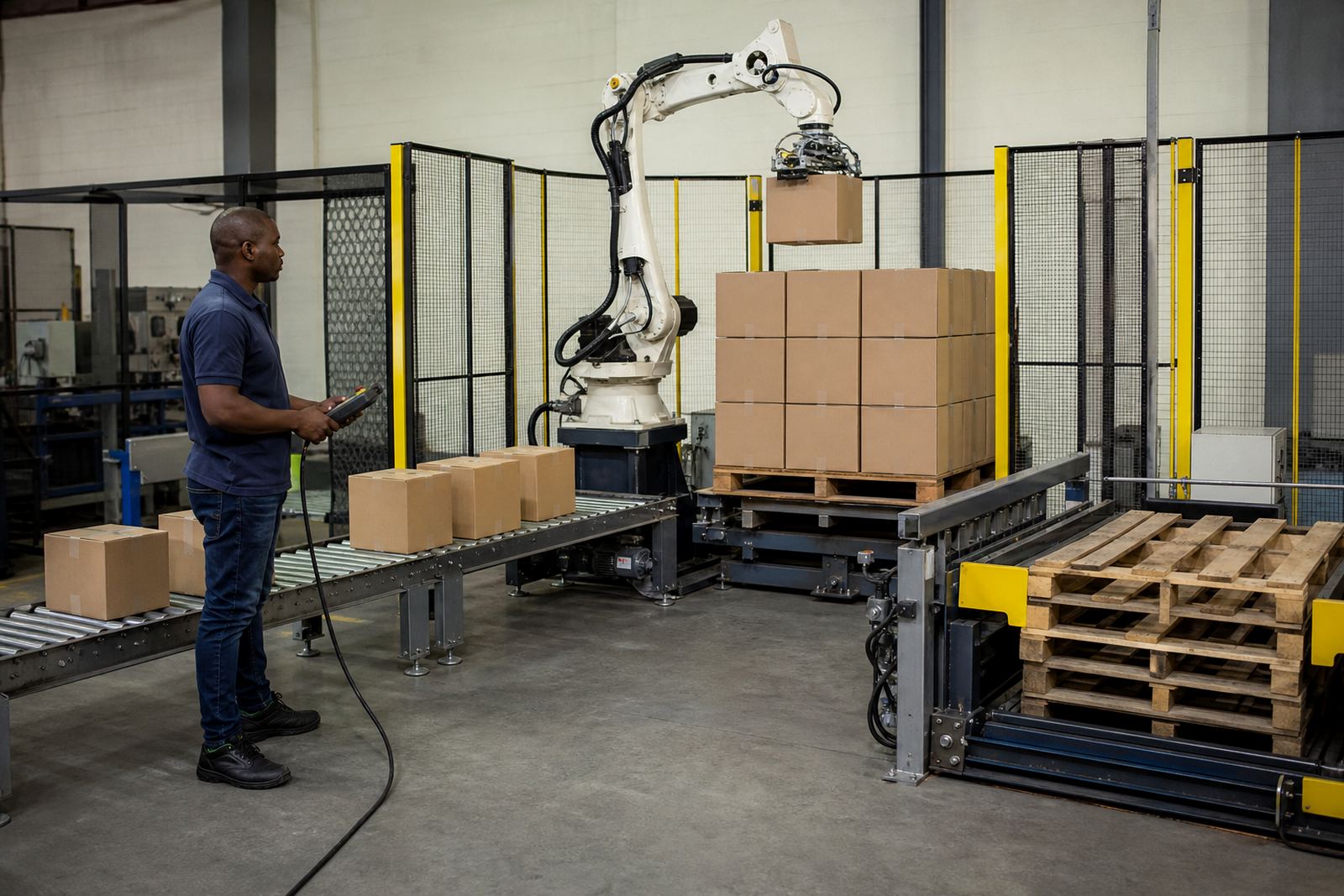
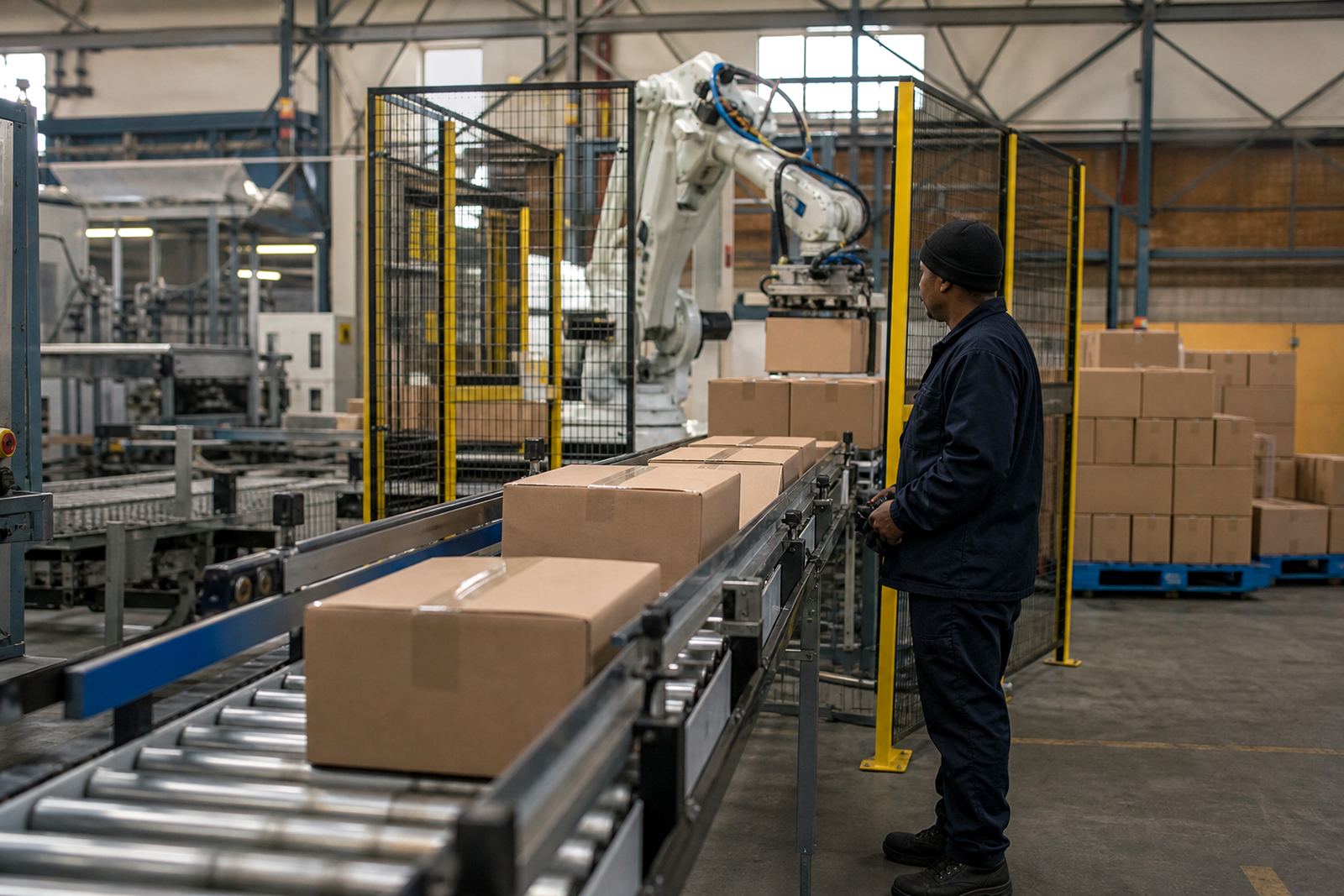
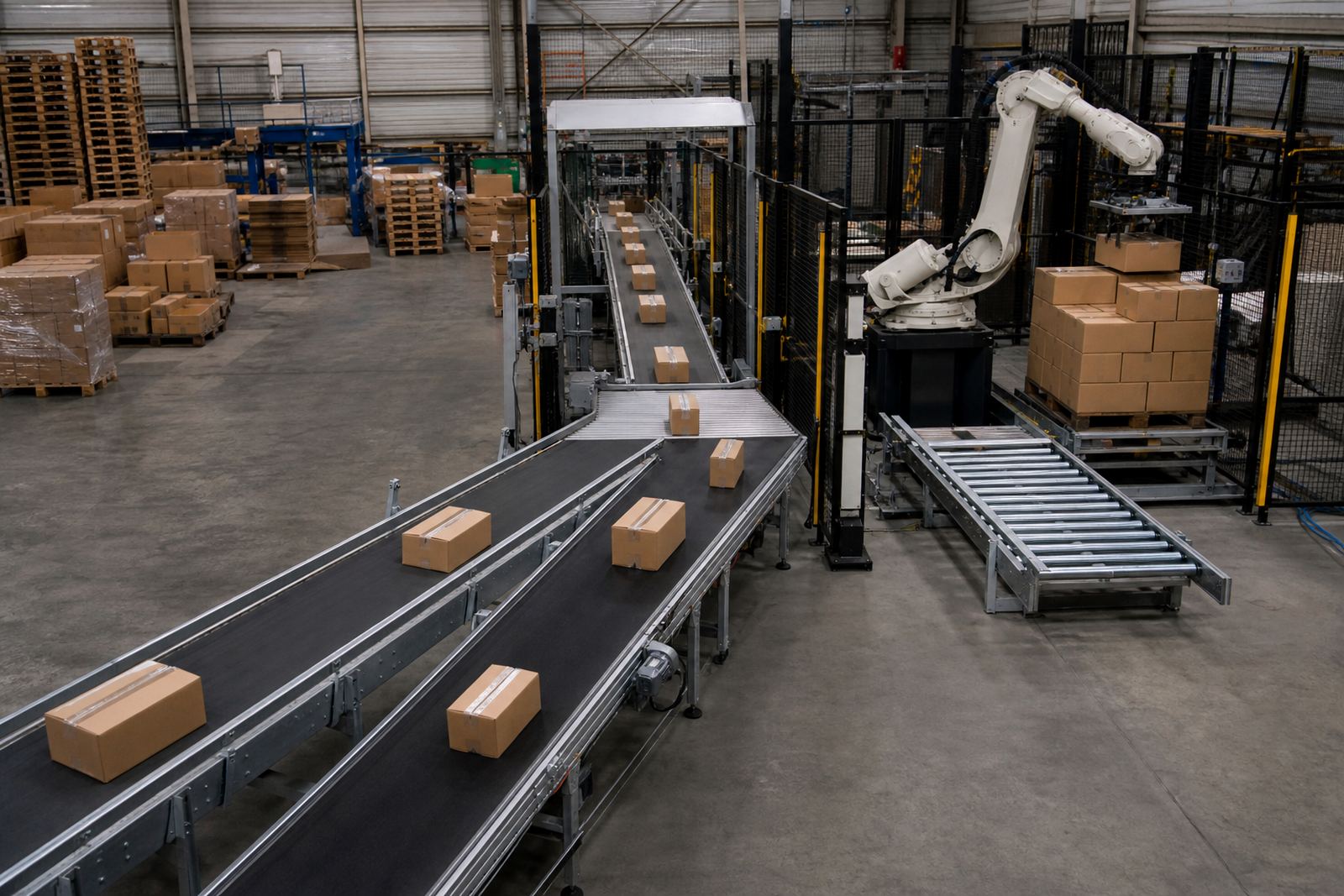
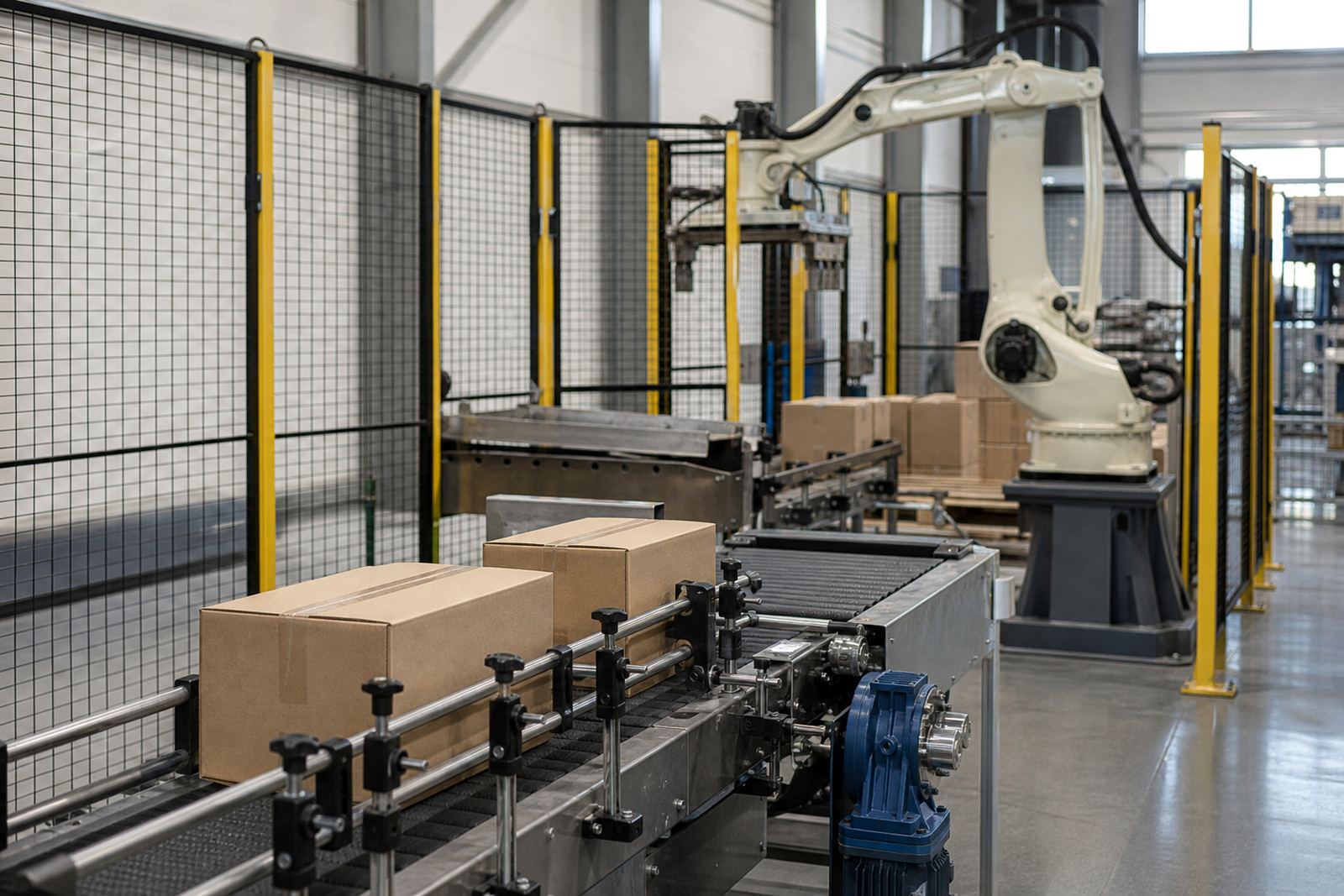
Retrofits work best when the robot receives products in a steady, predictable flow. That often means adjusting conveyor timing, adding accumulation, improving indexing or changing how cases are presented to the gripper. If the feed is irregular, the robot will spend time waiting or correcting positions, which can reduce the value of the upgrade.
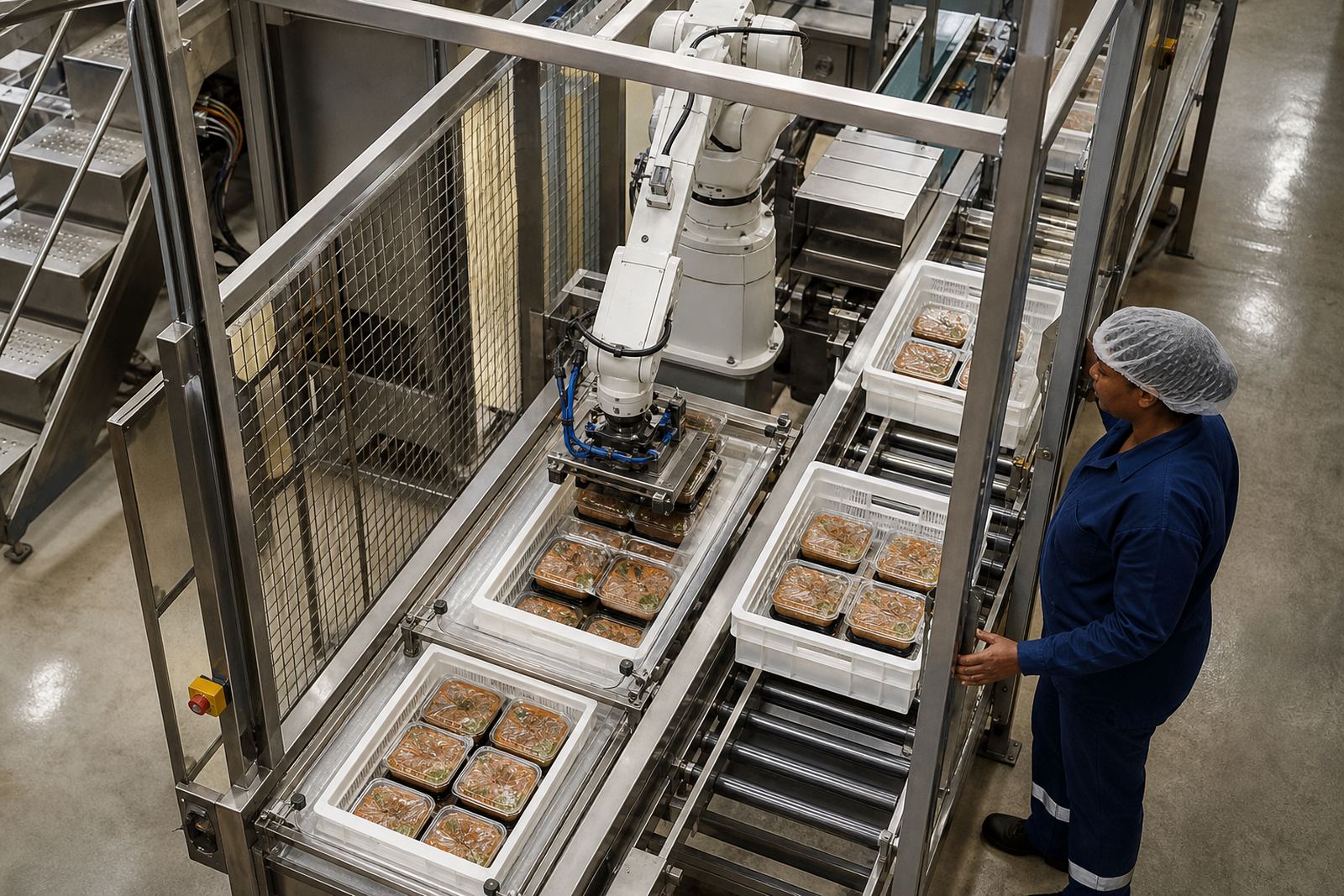
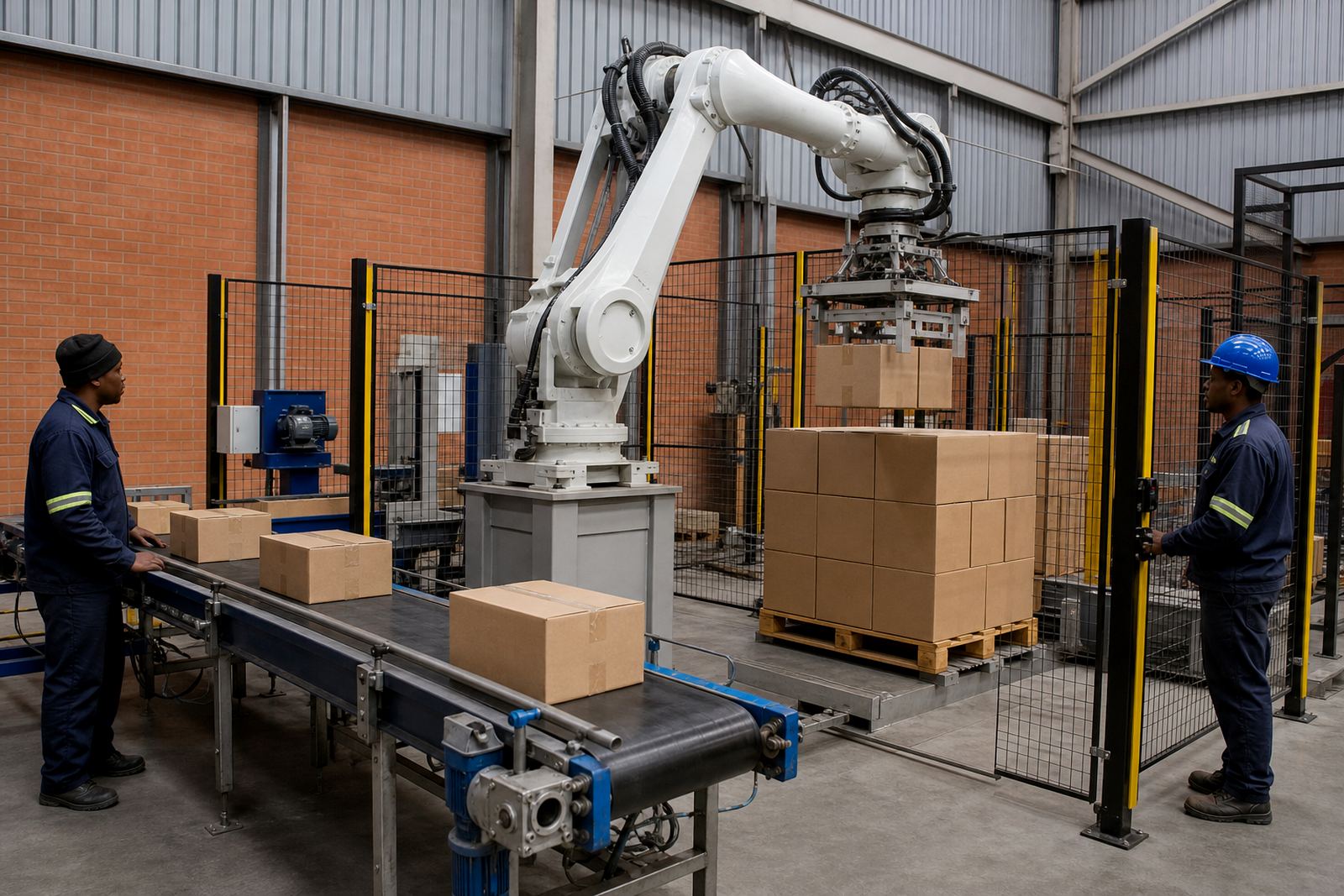
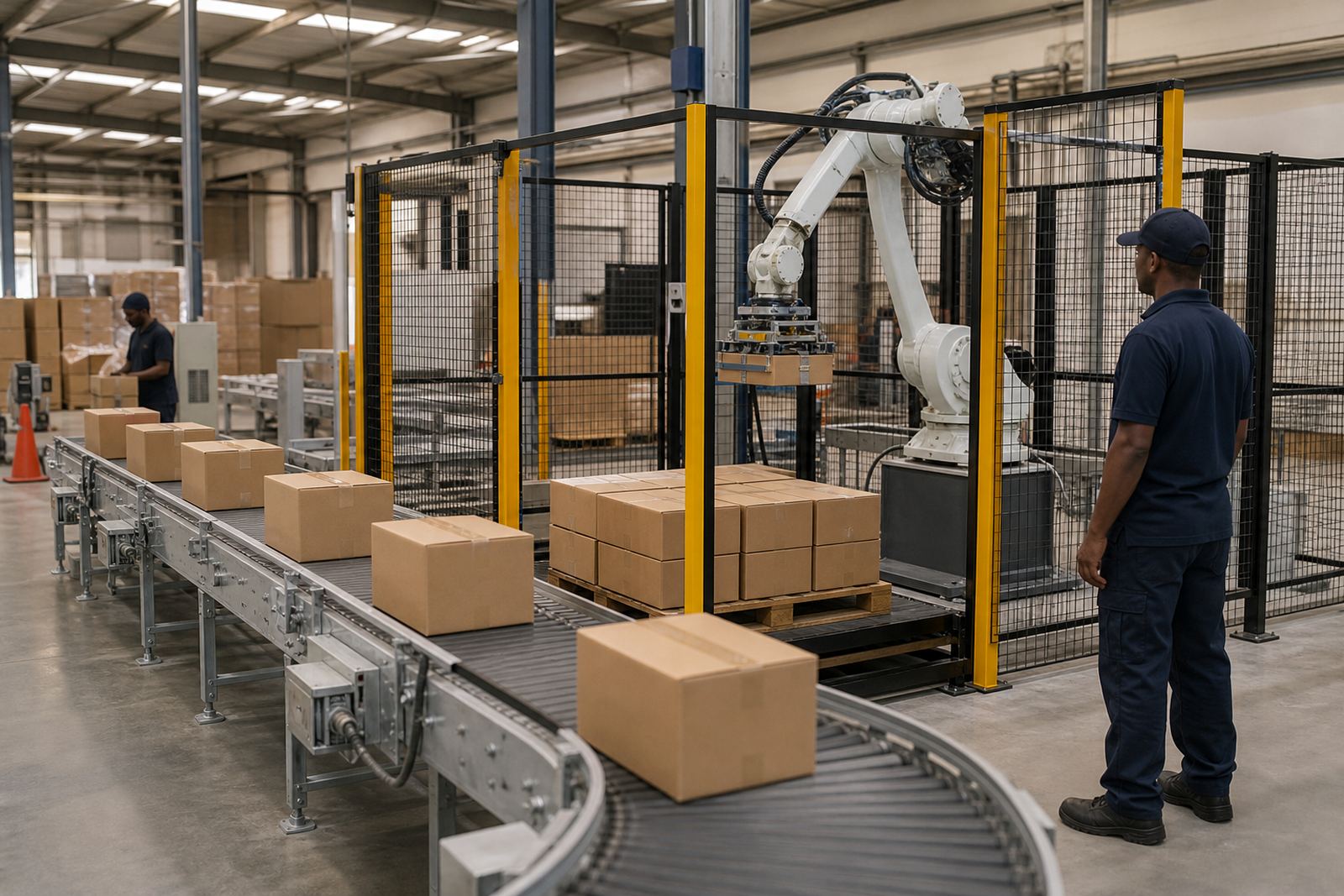
ReAutomated plans conveyor integration around the existing line so that the packer, case conveyor and palletising zone work as one system. This can include infeed merging, discharge control, stack release logic and simple interlocks with upstream and downstream equipment. In some plants, the best improvement is a small change to the conveyor sequence rather than a complete rebuild. That sort of practical fix is often what makes a retrofit pay off in day to day use.
Safety Guarding And Risk Assessment Support
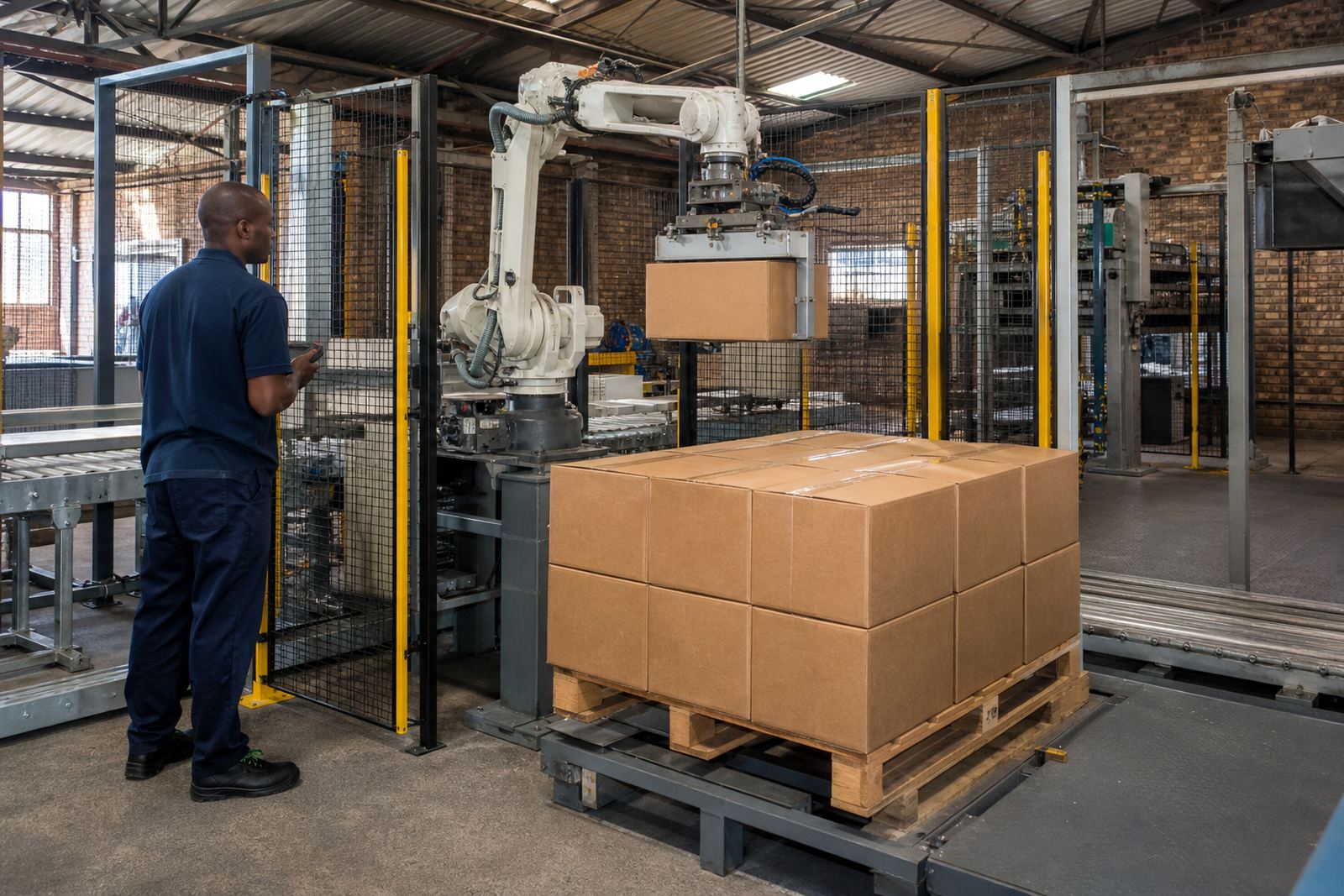
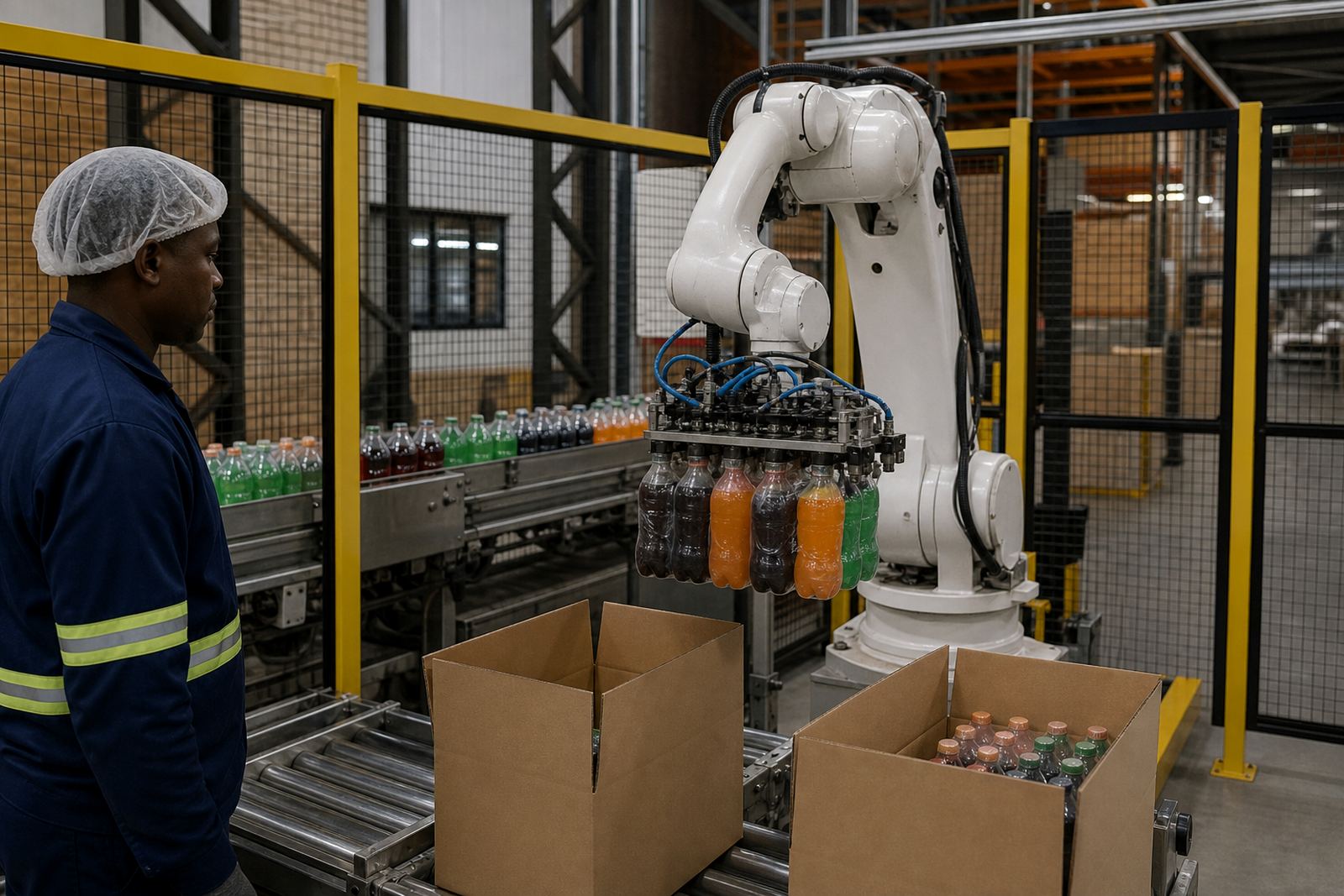
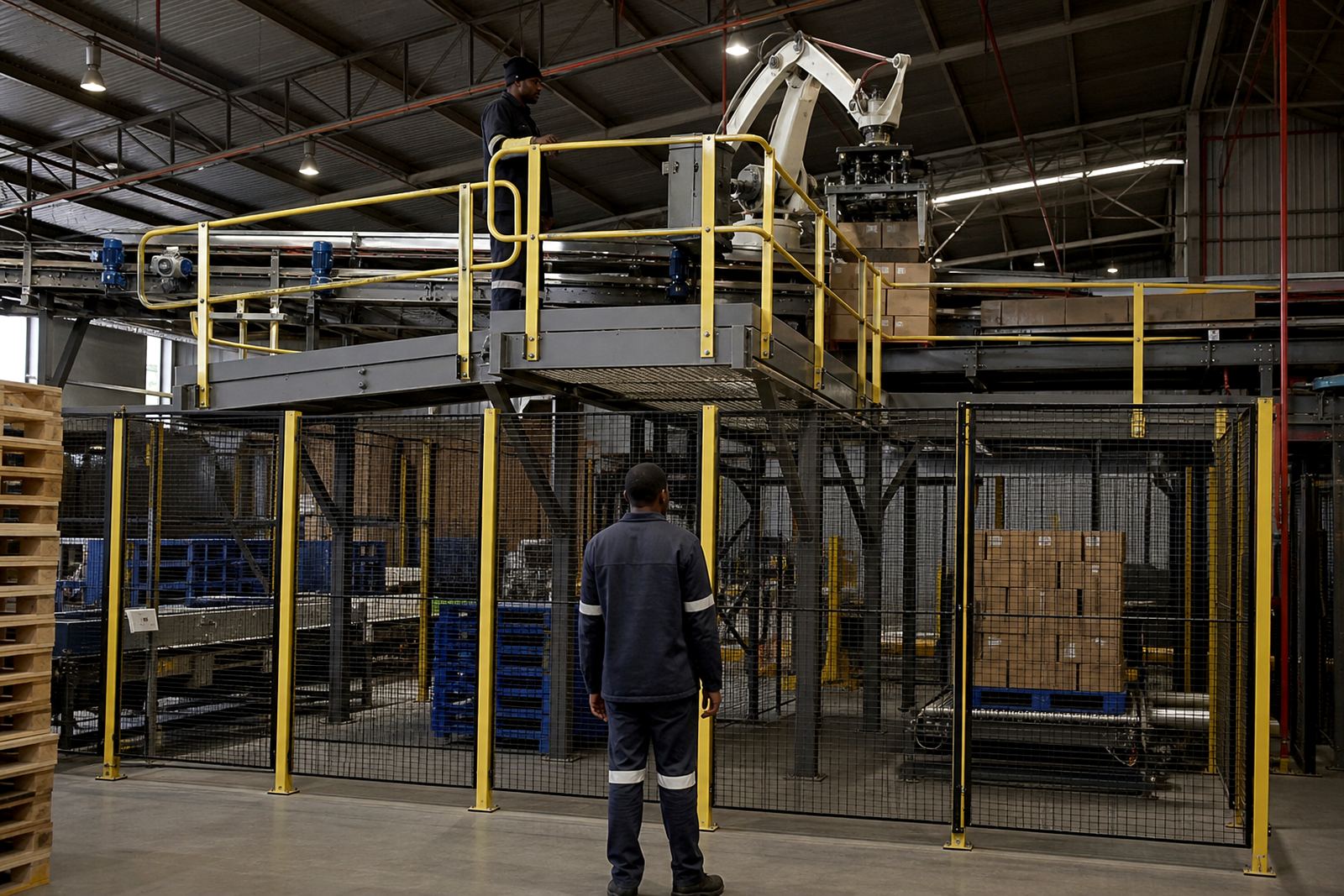
Any robotic retrofit needs proper safety guarding and site specific risk assessment. General rules are not enough on their own, because each factory has its own access points, traffic flow, cleaning routines and maintenance needs. A well planned cell should protect operators, allow safe access for maintenance and still give the line enough space to run efficiently.
- Guarding should control access to moving parts and pinch points.
- Emergency stops should be placed for easy reach at the line and cell.
- Access gates should suit loading, clearing jams and service work.
- Risk assessment should consider product slip, dropped loads and pedestrian movement.
- Local site rules and machine handover procedures must be followed.
We support the risk assessment process and guard design so the retrofit is practical for the factory, not just neat on paper. That includes checking how operators enter the area, where light curtains or interlocks may be needed, and how the cell is isolated for cleaning or maintenance.
Controls Integration, Commissioning And Operator Training
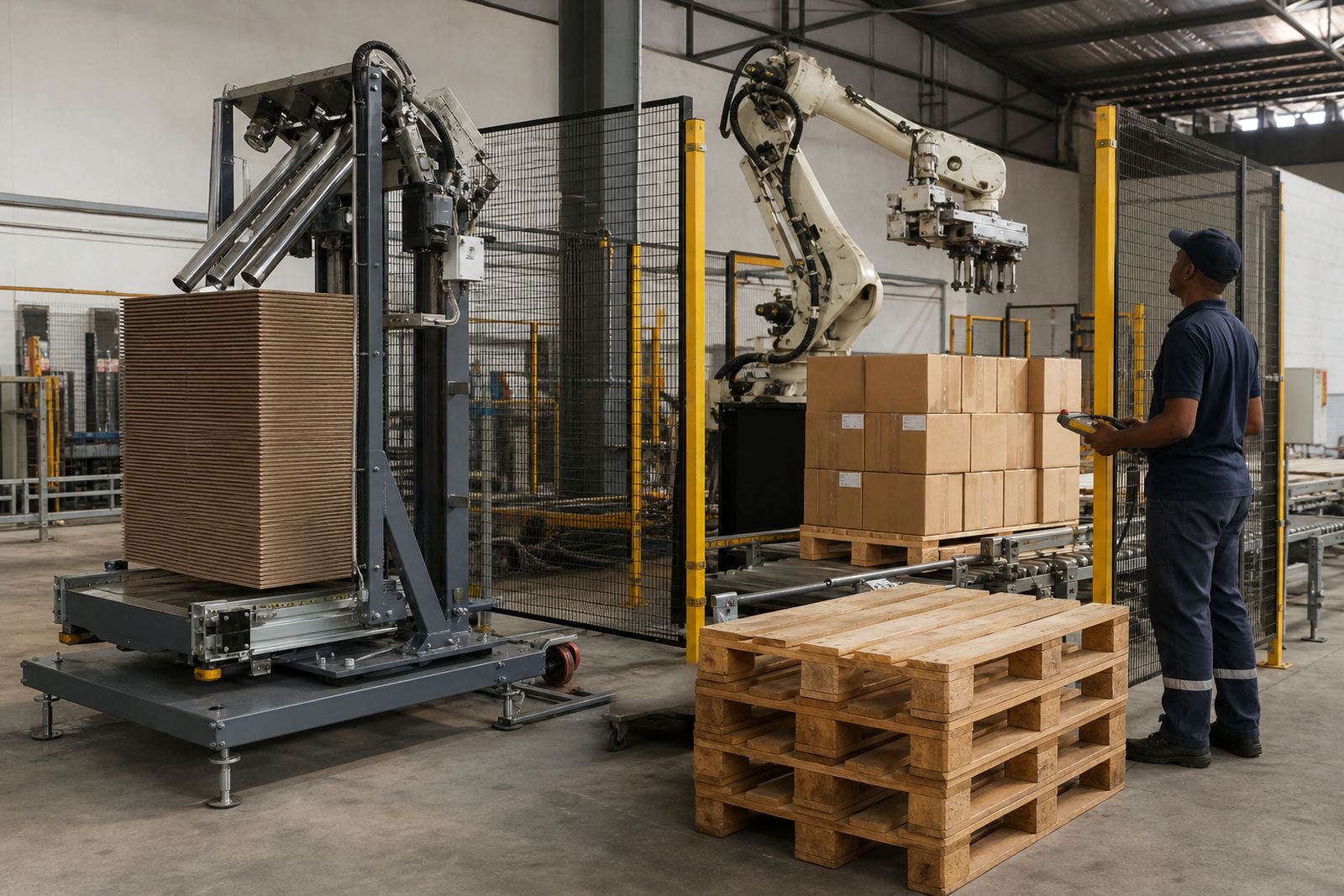
Once the mechanical layout is set, the controls side brings the retrofit together. That includes signals from existing conveyors, start and stop logic, fault handling, safety circuits and the handshakes between machines. A good controls integration makes it easier for operators to see what the line is doing and where a stop has happened.
Commissioning should be planned around live production where possible, with clear steps for testing, dry runs and product trials. Operator training is also important because a retrofit only works well if the team understands basic operation, reset steps and safe clearing methods. We also support maintenance planning, so the site can keep spares ready and reduce unplanned downtime. In busy plants around Kempton Park, Midvaal and the East Rand, that practical support matters just as much as the hardware.
Support Across South African Manufacturing Sites
ReAutomated works with manufacturers across Johannesburg, Pretoria, Durban, Cape Town and Gqeberha, with base operations in Spartan, Kempton Park. The same retrofit approach can be applied to food, beverage, consumer goods, building products and other packed goods where repeat handling is part of the line. Coastal humidity, dust, washdown requirements and municipal site rules can all affect the final design, so the local conditions are always checked before work begins.
If you are planning a palletising or packing upgrade, the best starting point is a site review and a clear picture of your existing line. From there, the retrofit can be shaped around your conveyor layout, product mix and production targets, rather than forcing the site to fit a standard setup.