Why operator changeovers slow down on busy South African lines
On many packing lines the machine is not the main problem, the changeover process is. Operators have to swap guides, adjust conveyor widths, load new product settings and confirm that the pallet pattern or pack format matches the order, all while production wants the line back in service as fast as possible. If each step depends on memory or a handwritten note, the line loses time and the chance of a mix up goes up.
In Gauteng and along the coast, plants also deal with different shift patterns, humid conditions, dust and power interruptions. That makes consistency even more important. A changeover that works for one experienced operator at 6am may not work as well for the afternoon shift. Clear screens, marked adjustment points and simple access to the right parts make a measurable difference in day to day work.
- Too many manual adjustments at the same point
- Unclear product recipes or pallet patterns
- Poor access around conveyors, guards and sensors
- No standard checklist for each product family
- Operators forced to guess on timing, positions or clearances
Planning recipes and interfaces so the line can change faster
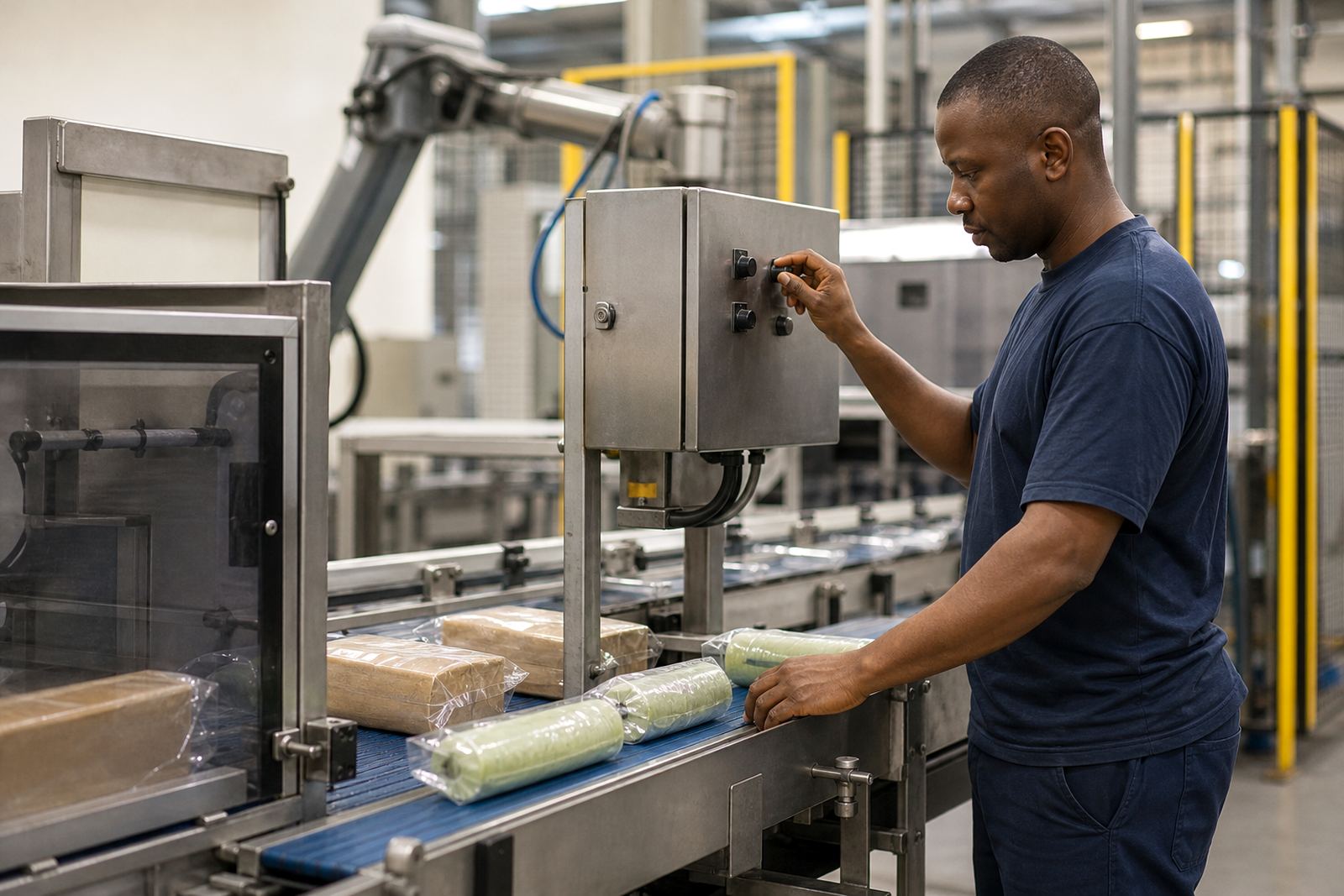
Frequent product changes become much easier when the control interface is planned around the operator, not only around the machine. That means clear recipe names, simple screens and prompts that show what must be changed and what can stay as it is. If the line handles different carton sizes, tray packs or bag counts, the screen should show the exact settings for each format, not a long list of codes that only one person understands.
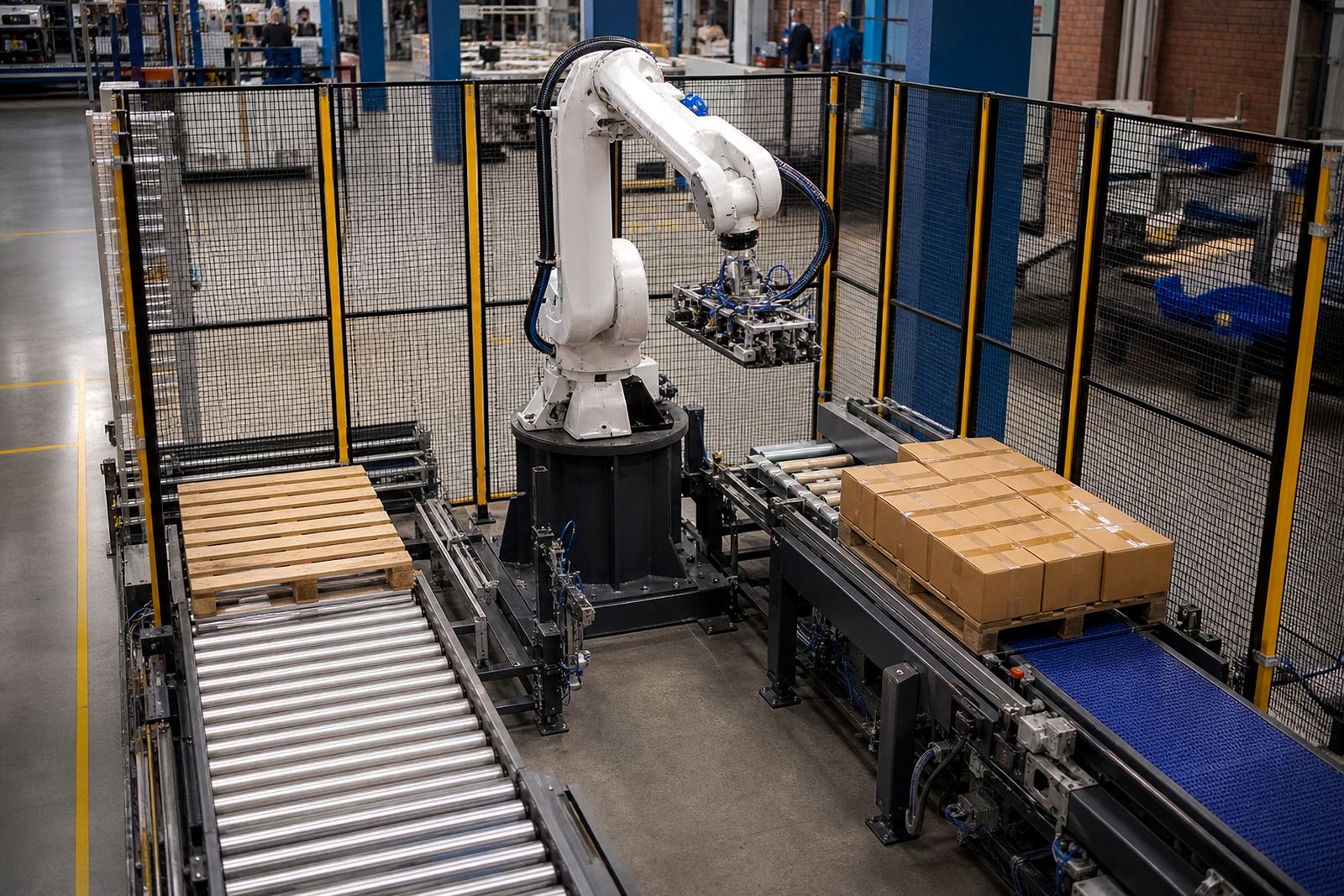
Good retrofit work often includes linking the operator screen to existing conveyors, packers and palletisers so the changeover steps follow a fixed order. For example, the operator may need to stop the infeed, release the conveyor width, select the new recipe, confirm the stack pattern and then restart the line. When the steps are logical, there is less chance of a bad restart or a jam at transfer points.
- Use plain recipe names that match the product and pack size
- Show one screen for changeover steps instead of several hidden menus
- Lock critical settings so they cannot be altered by mistake
- Use clear indicators for ready, hold, fault and manual mode
- Keep the sequence the same from line to line where possible
Access points, guarding and safe movement during changeovers
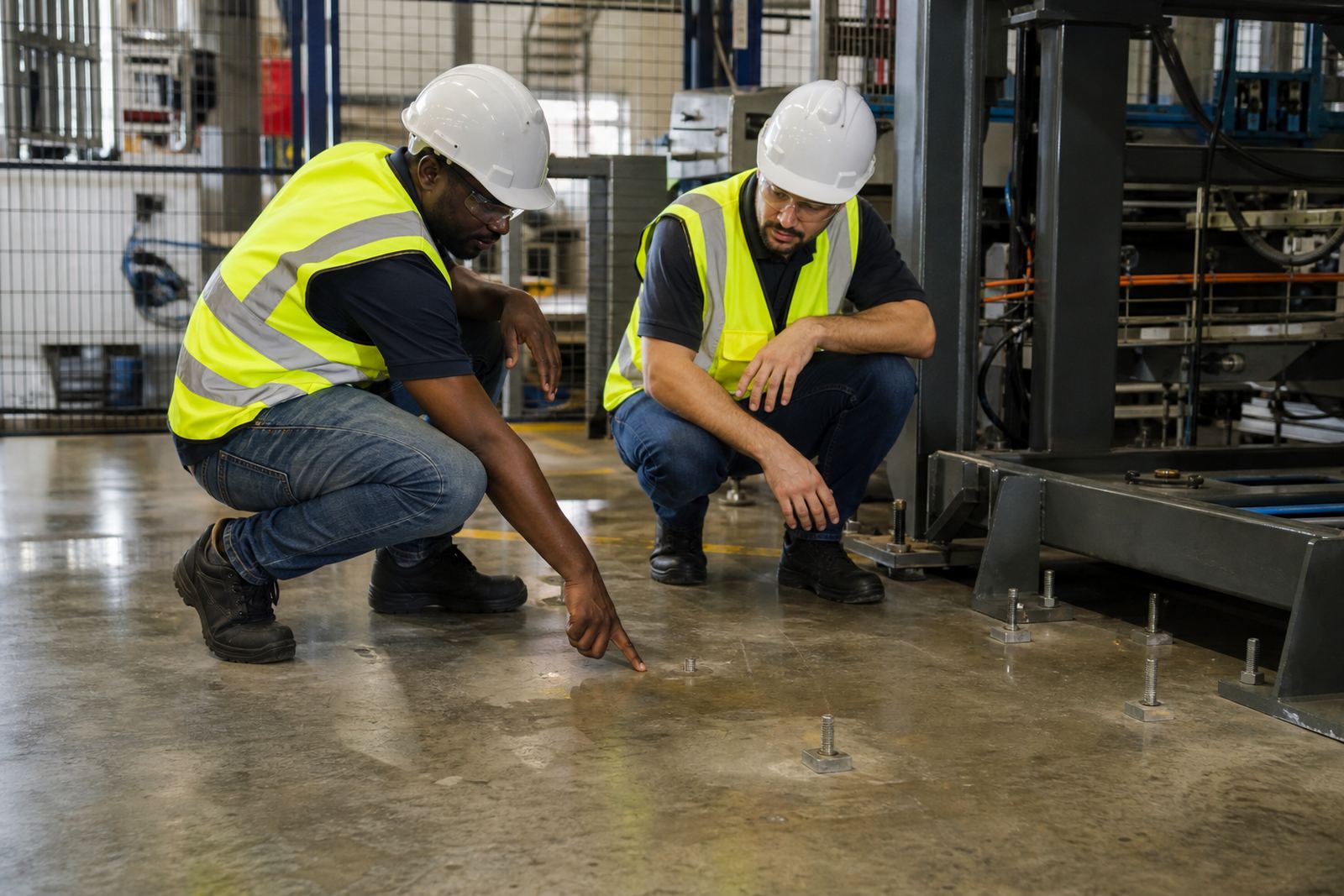
Speed matters, but safety cannot be an afterthought. If operators have to lean over moving equipment or remove panels just to reach a guide rail, changeovers become slower and riskier. Retrofits should allow safe access to the places where the work actually happens, while keeping the rest of the line protected. That may include hinged guards, interlocked doors, quick release adjustments and clear walkways around the conveyor path.
Every site needs its own risk assessment. The right guarding for a palletising cell in Kempton Park may not be the same as what is needed in a coastal facility in Durban or a mixed production plant in Cape Town. The layout, traffic flow, product weight and type of access all matter. Safety guarding design should fit the actual floor space and the way the team works, not force the team to work around a poor layout.
- Safe reach distances for operators of different heights
- Interlocked access where frequent entry is required
- Clear stop points and lockout procedures for maintenance
- Marked floor areas for trolleys, pallets and removed parts
- Guarding that does not block routine cleaning or inspection
What cobots can do on repetitive packing tasks
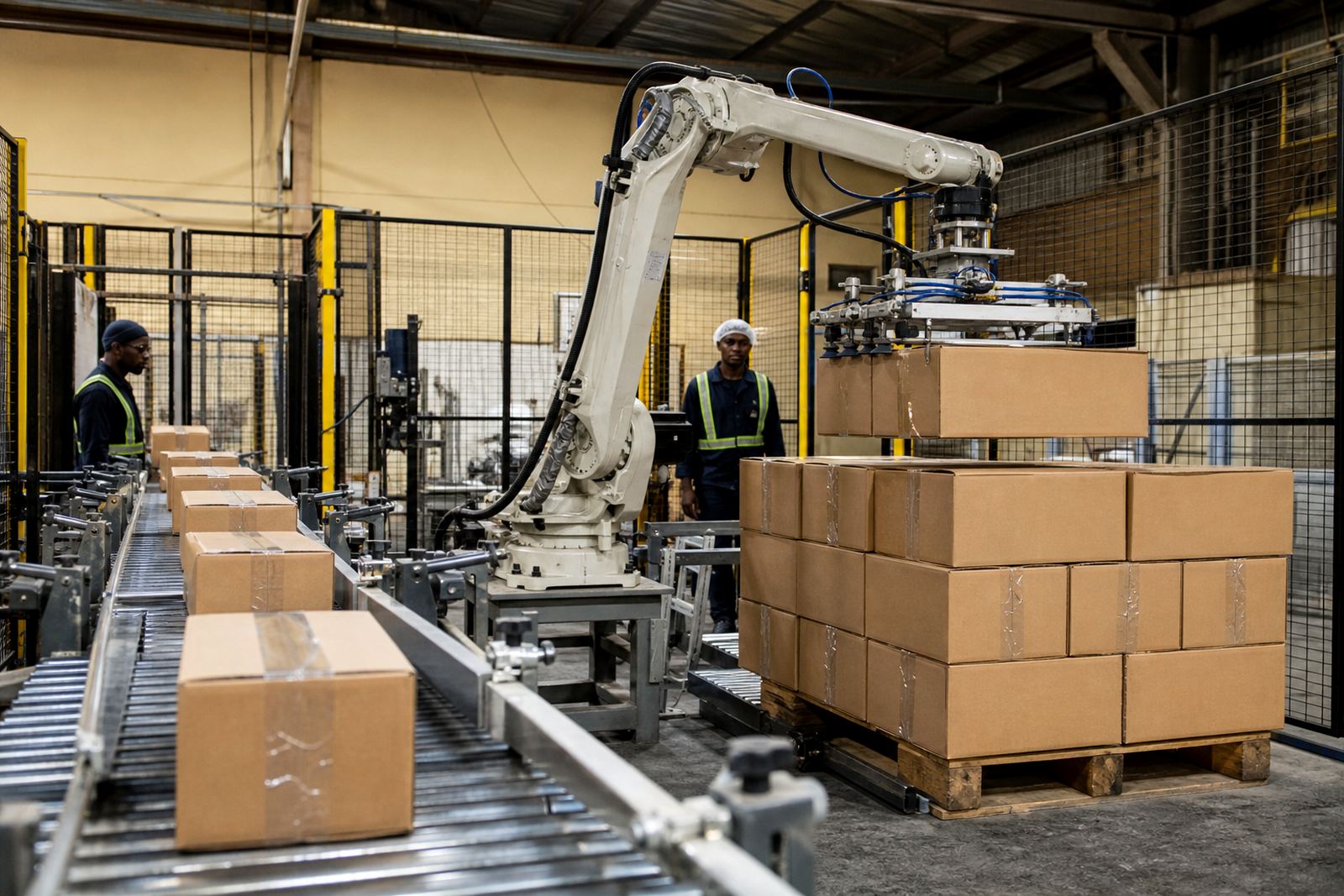
Cobots can help where the work is repetitive, physically awkward or requires consistent placement over long shifts. On some packing lines they are used for case handling, simple tray loading or assisting with pallet patterns at a fixed point in the line. The value is not that they replace every person, but that they take over the predictable part of the task while operators focus on feeding product, monitoring quality and managing changeovers.
For a plant that changes from one pack size to another several times a day, the important thing is that the cobot is integrated properly into the rest of the line. If the conveyor signals, product sensors and stop logic are not matched, changeovers become harder not easier. Good integration keeps the flow visible and gives operators a clear way to place the cell in manual, setup or production mode. On some sites a simple change in end effector or recipe is enough, on others the whole pick point and conveyor timing must be reviewed.
A practical changeover routine for operators
The best routines are the ones people can repeat under pressure. A clear sequence reduces arguments on shift handover and helps supervisors spot problems early. If everyone knows the same steps, training becomes easier and the line spends less time waiting for one person who knows the machine by memory.
A good routine starts before the last pallet is finished. The next product code should be confirmed, the required change parts laid out and the old settings saved or noted. Then the operator can complete the shutdown in a controlled way, swap the parts that need changing and restart with a short test run. If the first pack or first pallet is wrong, the issue can be corrected before full production starts again.
- Confirm the next order, product code and pack count
- Prepare guides, change parts and any labels before shutdown
- Use the same sequence for stop, change and restart every time
- Check sensors, guards and conveyor alignment after the change
- Run one test cycle before releasing the line for production
Why local support matters when the line is under pressure
When a line is down because a changeover has gone wrong, support on site matters. A team based in Spartan, Kempton Park can support sites across Johannesburg, Pretoria, Midvaal, the East Rand and further afield in Durban, Cape Town and Gqeberha.
At one Gauteng plant, for example, operators were losing time on every change from a small carton to a larger pack format because the guide positions were not obvious and the screen used different names from the line labels. After the layout, control prompts and access points were reviewed, the changeover became more predictable for both day and night shift crews. The machine did not get any more complicated, but the people running it had a much clearer process to follow.
That is the real value of retrofit work for operator changeovers. It is not only about automation hardware. It is about making sure the line can be changed safely, quickly and in the same way every time, even when the order book keeps shifting.