Why Lockout Matters on Automated Packing Lines
Robotic palletising cells and packing lines store energy in more than one place. Electrical supply, compressed air, gravity on inclined conveyors, spring tension, hydraulics and stored motion in rotating parts can all create danger after the main isolator is switched off. That is why lockout principles must cover the full system, not only the robot arm or the conveyor motor.
In practice, a safe lockout stops every source of energy, proves it is isolated, and keeps it isolated until the last person working on the equipment has signed off. On a mixed line, this may include infeed conveyors, stretch wrapping equipment, pallet transfer tables, pneumatic stops and any linked process machine upstream or downstream.
A common mistake is assuming that an emergency stop is enough. It is not. An emergency stop is for stopping a machine in an emergency, while lockout is for preventing re-energising during maintenance, cleaning or fault finding. The distinction matters on sites from Kempton Park to Durban, where many lines run long shifts and more than one team may work on the same system.
The Main Energy Sources To Isolate
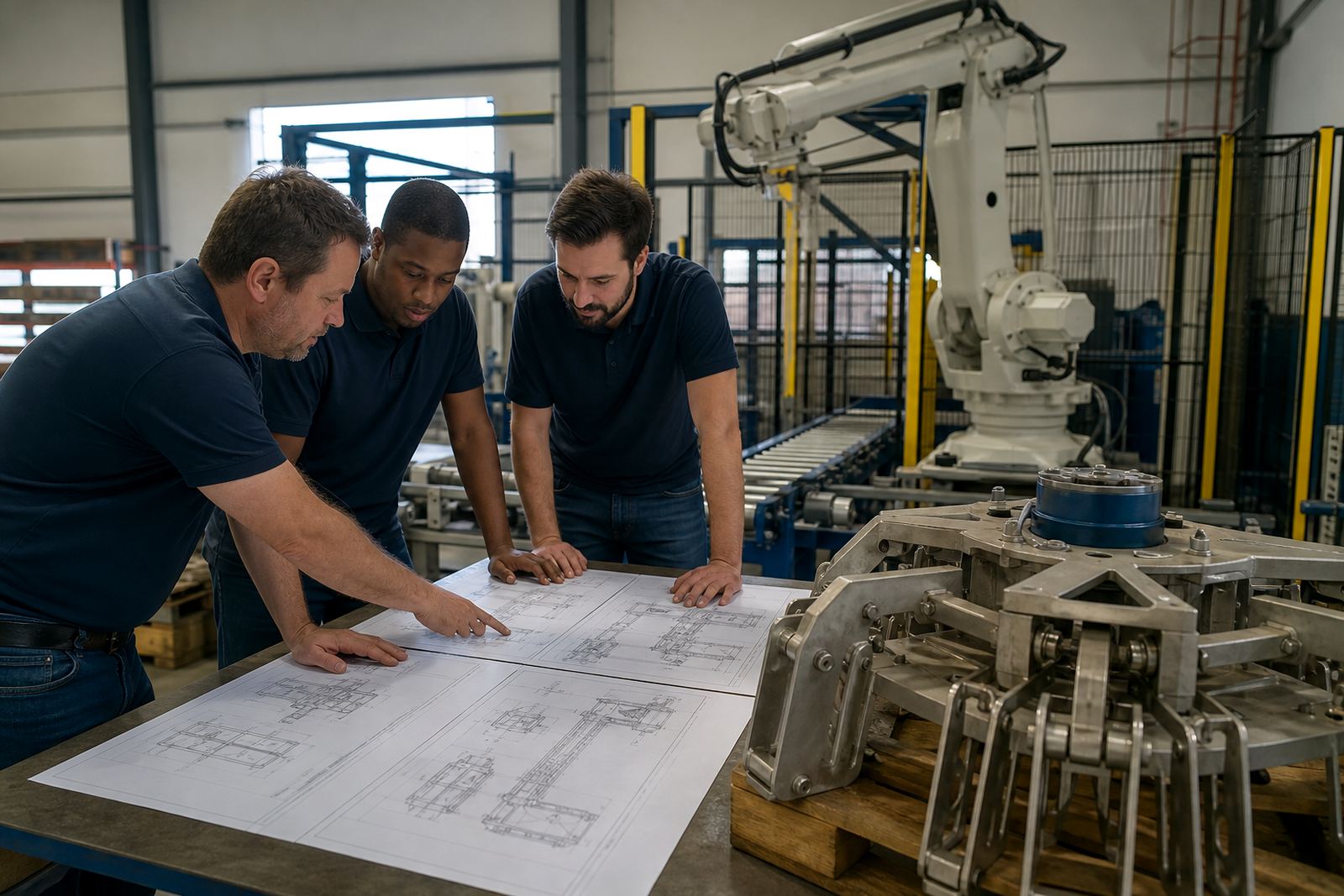
Before any work starts, the maintenance team should identify every source of energy that could move a part, release pressure or restart a cycle. This is why a site line survey and a proper risk assessment support the lockout process so well. Every line is different, even if the layout looks similar.
- Electrical power at the main isolator, control panel and any local feed points
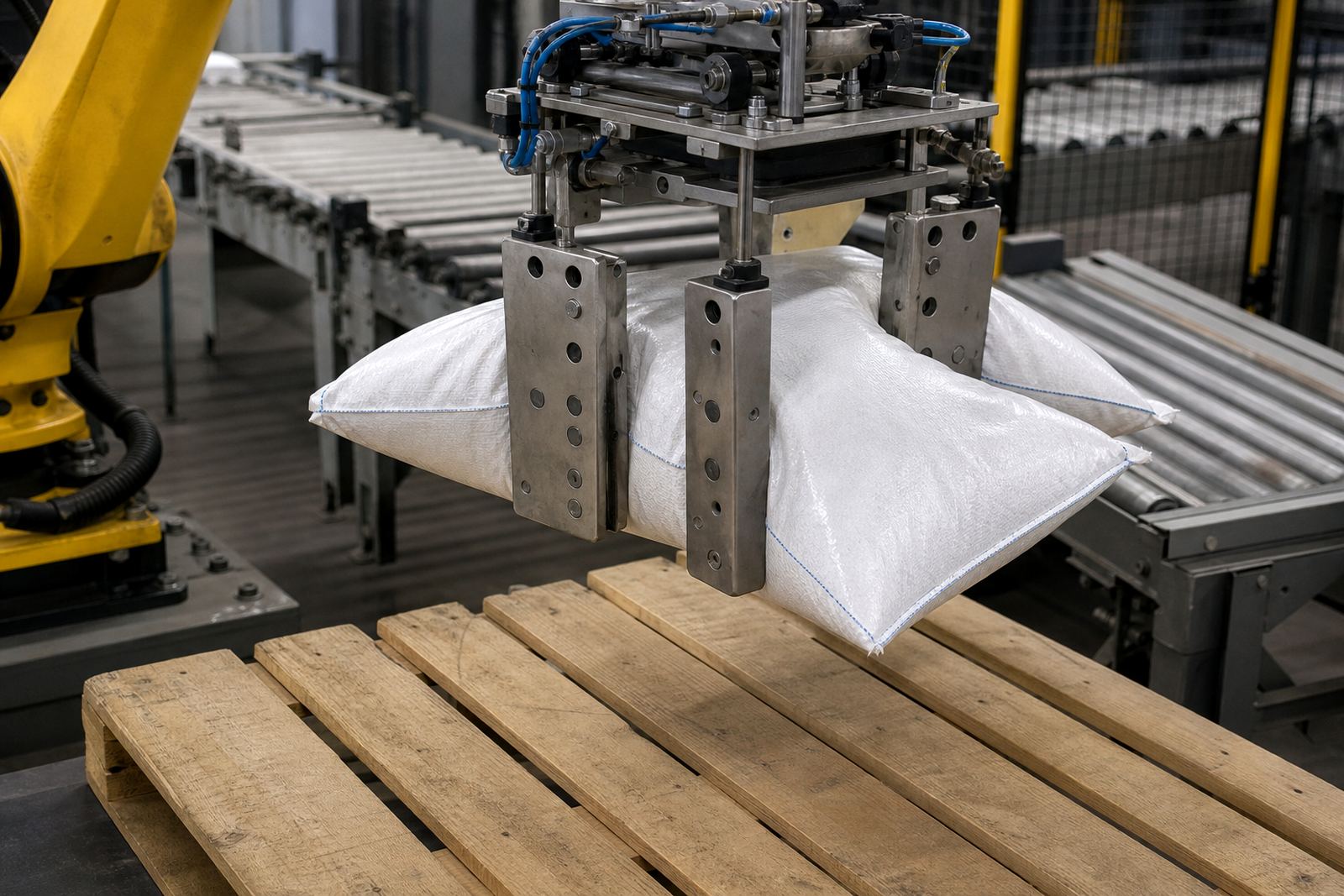
- Pneumatic supply to grippers, stoppers, guides and vacuum systems
- Hydraulic pressure where lift tables or heavy handling units are fitted
- Gravity and stored mechanical energy in raised loads, counterweights or sloped conveyors
- Residual movement in robots, turntables, rollers and chain drives
- Backup or auxiliary supplies that can keep controls live after the main supply is off
Where a site uses conveyor integration across several bays, one conveyor may feed another, so isolating only the section being repaired can still leave danger from upstream flow. The same applies where a cobot shares space with manual packing stations. If pallets are still being moved nearby, barriers and clear stop points are needed before anyone enters the cell.
A Practical Lockout Routine For South African Sites
A good lockout procedure is simple enough for operators to follow under pressure, but detailed enough to protect the team. The best routines are written in plain language and match what is actually on the floor. If a factory in Midvaal runs three shifts with different supervisors, the procedure must still work the same way at 6 am and 10 pm.
- Shut down the equipment using the normal stop sequence
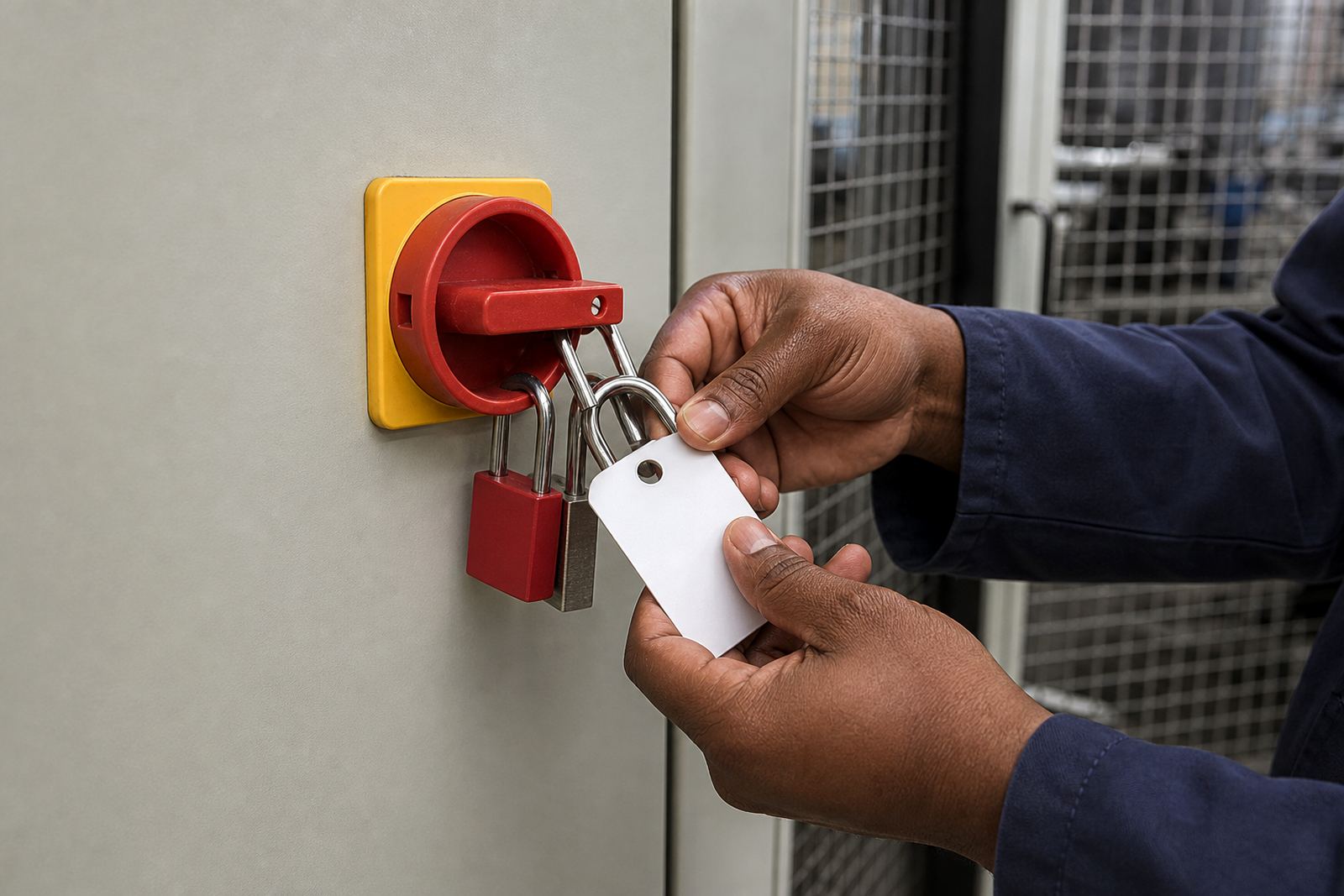
- Isolate every energy source and apply personal locks where required
- Release or block stored energy in a controlled way
- Test for zero energy before touching any moving or live part
- Tag the lockout point with the name of the person doing the work
- Keep the keys with the authorised person until the job is complete
Where more than one artisan is involved, group lockout is essential. Each person should apply their own lock so that no one can restore power while another person is still inside the cell. This is especially important on larger palletising lines in Johannesburg or Pretoria, where electrical, mechanical and controls work may happen at the same time. One person may be checking a sensor while another is replacing a conveyor section, and both need certainty that the system cannot move.
How Guarding And Lockout Work Together
Safety guarding is not a substitute for lockout, and lockout is not a substitute for guarding. The two work together. Guarding keeps people away from pinch points, moving parts and robot working envelopes during normal operation. Lockout protects people when the guards have to be opened for maintenance or fault recovery.
For a retrofitted robotic cell, guards, interlocks, access gates and emergency stops should be considered together during the design stage. If the line has been retrofitted into an existing factory layout, the old walkways, pallet routes and service access points still need attention. A guard door that opens into a forklift route, for example, can create a new hazard if the area is not planned properly.
Every site needs its own risk assessment. That assessment should look at who enters the area, how often maintenance happens, what type of load is handled and whether the environment is dusty, wet or exposed to coastal humidity. In Cape Town and Gqeberha, corrosion control and clear labelling matter because salt air can affect panels, locks and fittings over time. In Gauteng, dust and heat can affect sensors and cable terminations if the installation is not maintained.
Common Mistakes That Lead To Trouble
Most lockout failures are not caused by one dramatic error. They usually happen because a familiar task becomes routine and someone takes a shortcut. On a busy production floor, that is easy to do when a line is behind schedule and everyone wants the conveyor running again.
- Using one isolator for the whole line when another supply is still live
- Failing to test for zero energy before opening the guard
- Relying on memory instead of a written isolation list
- Leaving tools, test leads or spare parts in the cell before restart
- Removing another person's lock without proper authority
- Skipping communication between production, maintenance and supervisors
There is also a communication issue. If the operator, shift leader and artisan do not all know the equipment is isolated, someone may try to restart it. That is why clear signage, status boards and handover notes are so important.
A Kempton Park Example From The Floor
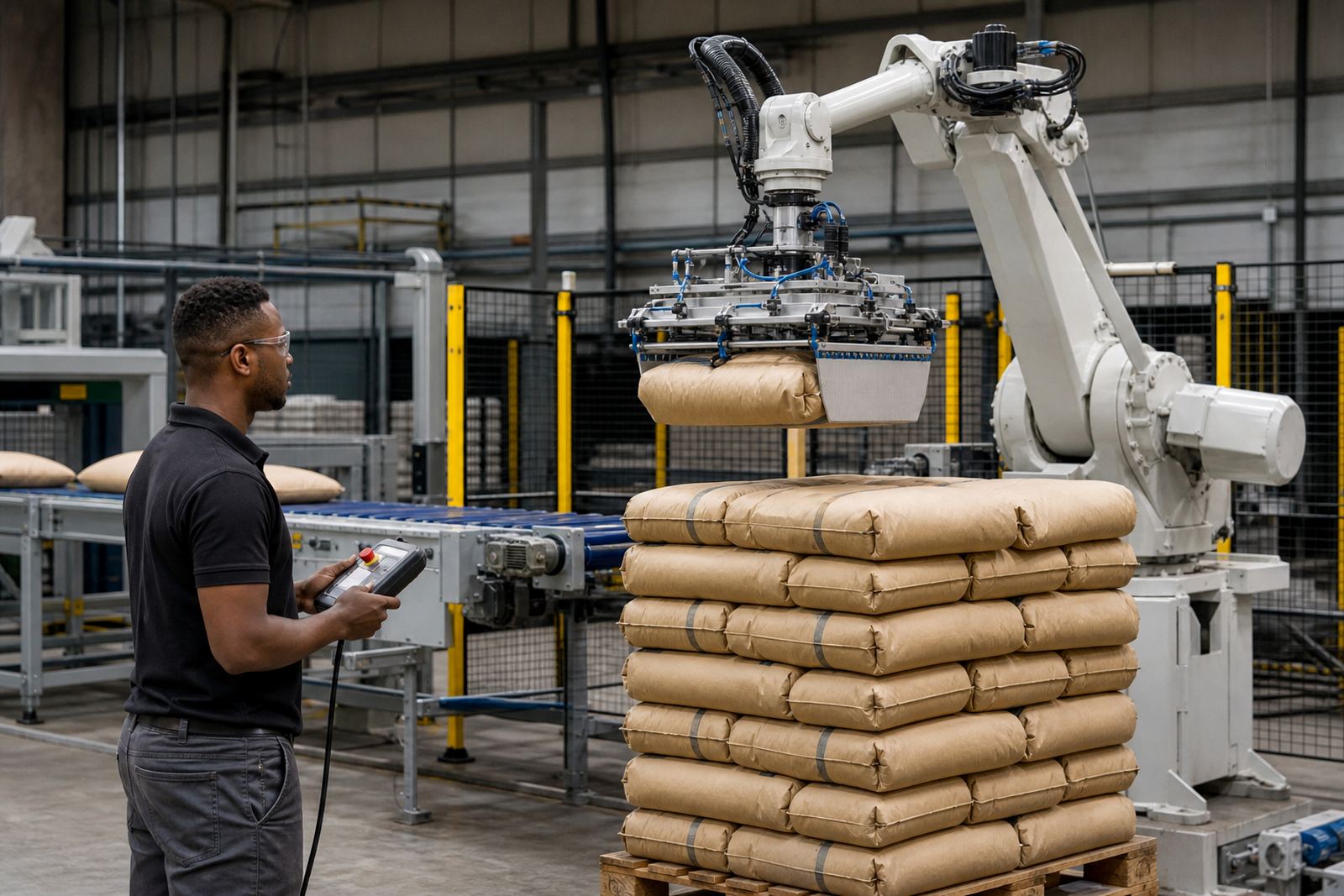
Consider a packing line in Spartan, Kempton Park, feeding cartons to a robotic palletising cell. The conveyor stops after a fault and the team needs to clear a jam at the transfer point. If the isolator is switched off but the pneumatic line is still pressurised, a guide can move unexpectedly. If the pallet table is still raised, gravity can bring it down. If the robot controller is live from a backup supply, a recovery signal can also trigger movement.
The safer approach is straightforward. The production team stops the line, the maintenance team isolates each energy source, lockout devices are applied, the pressure is bled down and the area is tested before work starts. Only then should the guarding be opened. That process takes a few more minutes, but it prevents an expensive injury and days of disruption.
For manufacturers across South Africa, from Durban to Pretoria, the principle is the same: if a robot, conveyor or packing machine can move, it must be proven safe before hands go inside the working zone. Good lockout is part of everyday discipline, not a once-a-year exercise.
Building Lockout Into Retrofit Projects
When a robotic retrofit is planned, lockout should be built into the design, not added later as an afterthought. That means thinking through access points, isolators, tags, emergency stops, safe maintenance positions and how service staff will reach the cell without stepping into a live area. It also means training operators so they know what to do when a line must be shut down for cleaning, fault finding or planned maintenance.
Our work on packing and palletising retrofits includes line surveys, retrofit design, conveyor integration, controls integration, safety guarding design, risk assessment support, installation management, commissioning support, operator training, maintenance support, breakdown assistance and spares planning. That full picture matters because lockout only works when the mechanical, electrical and control systems are aligned.
When the procedure is practical, clear and specific to the site, teams use it. That is what keeps people safe and lines productive.