Why acceptance testing matters before handover
When a packing or palletising retrofit reaches acceptance testing, the task is to show that the line can work as intended with the real product, the real conveyor speed and the site’s own operating conditions. A robot may cycle cleanly on its own, but the full line still has to cope with carton variation, bag slip, pallet build patterns and the stop start rhythm of live production.
At ReAutomated, acceptance testing notes should be treated as a working record, not a formality. They show what was checked, what passed, what needed adjustment, and which open items still need follow up. That helps manufacturers in Kempton Park, Johannesburg, Pretoria, Durban, Cape Town and Gqeberha avoid arguments later when the line is under pressure and the shift team wants clear answers.
A proper test also protects the site. If the project includes cobots, fixed guarding, light curtain positions, gate interlocks or e stop circuits, the test must confirm that each safety response does what it should. Every site is different, so the risk assessment must match the actual layout, product flow and operator access points.
What should be recorded during a line test
Acceptance notes should be practical and specific. They should show the machine behaviour, not just a tick in a box. If a conveyor needs a small speed change to keep cases square before pick up, that should be written down. If a palletising pattern needs to be adjusted because cartons shift on the last layer, that matters too.
- Product type, size range and pack orientation used during the test
- Conveyor speeds, stops, transfers and accumulation behaviour
- Robot cycle sequence, pick accuracy and place repeatability
- Guarding doors, interlocks, presence sensing and emergency stops
- Alarm conditions, recovery steps and operator reset procedure
- Any manual intervention needed during the trial run
These notes help the controls specialist and the automation engineer confirm what needs to be fine tuned. They also give the operations manager a clear record of what the line can do without guesswork. In practice, this is the difference between a clean handover and a site that keeps phoning about the same fault after the team has left.
Testing the handoff between conveyors and robots
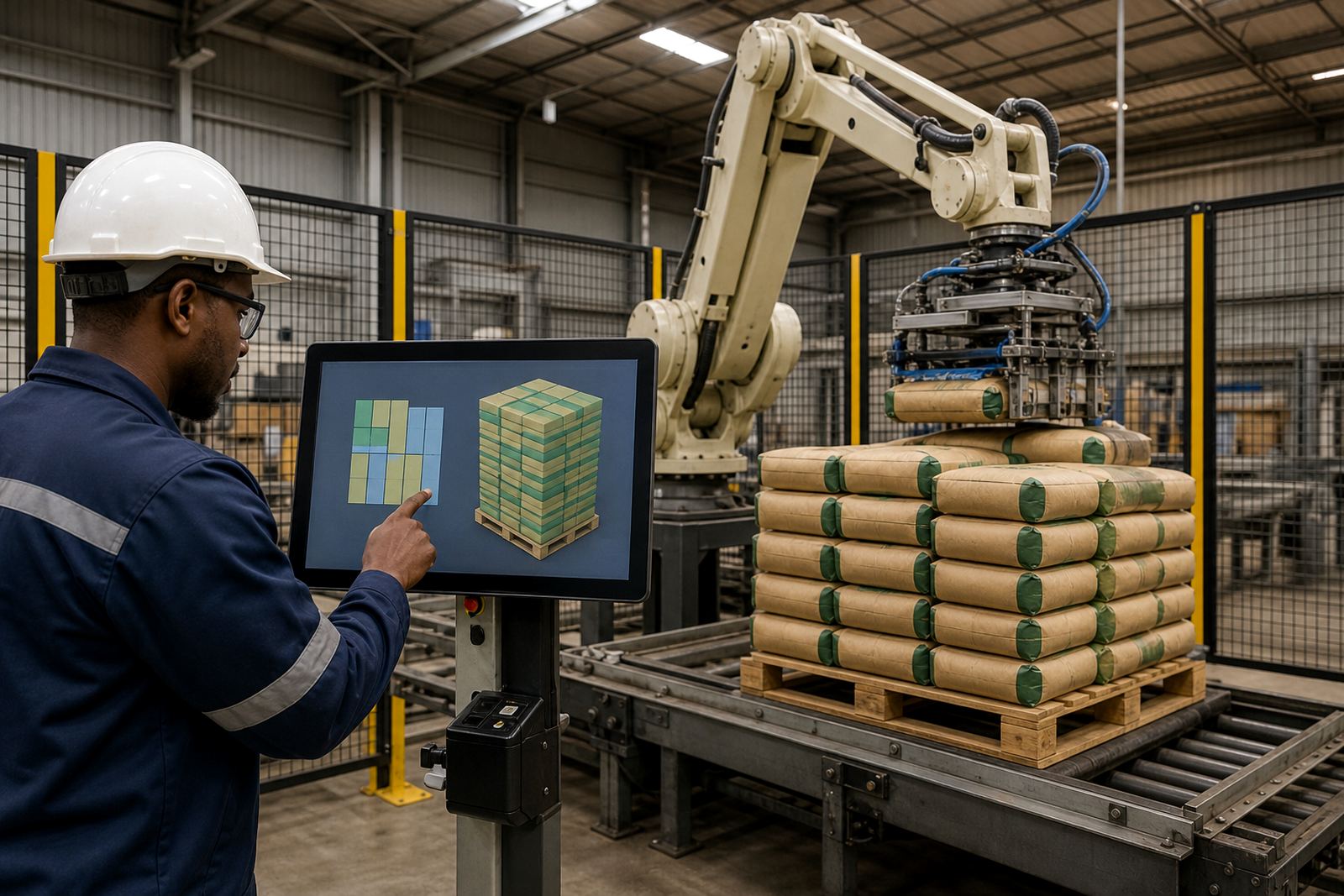
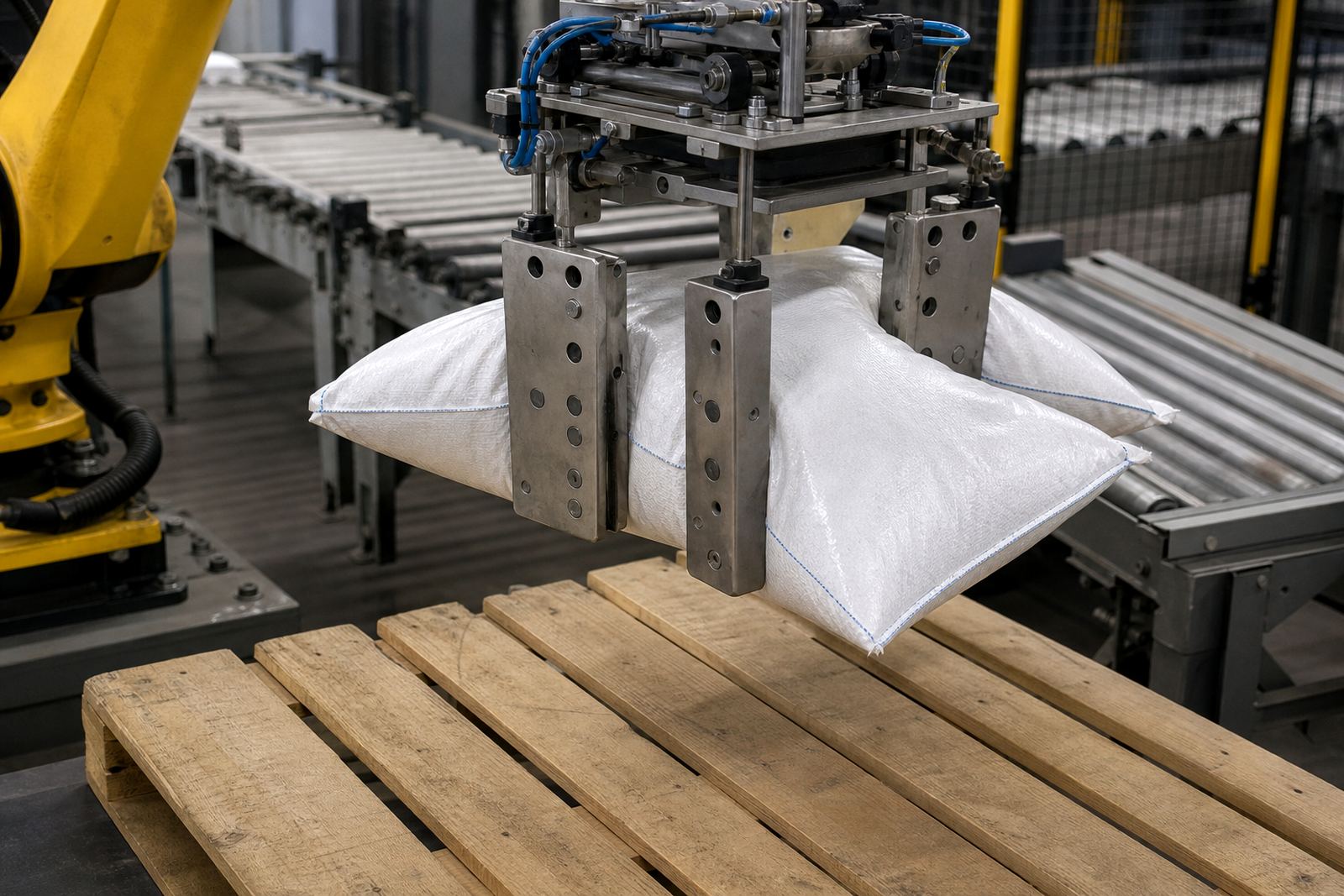
Most retrofits fail at the handoff point if that step is not tested properly. A robot can only palletise well if the infeed conveyor delivers product consistently, the case stop position is repeatable, and the timing between sensors and controls is right. The same applies to packing lines where cartons or bags move from one section to another.
Acceptance testing should confirm the transfer point under different conditions, including a full line, a partly loaded line and a restart after a pause. It should also check that product does not jam at transfer plates, guides or turns. Where there is a pallet dispenser, slip sheet station or stretch wrapper interface, those items must be tested in sequence so the full end of line flow behaves as expected.
On a recent Kempton Park retrofit example, the product was stable for the first few cycles but drifted slightly when the upstream conveyor restarted after a short stop. The notes captured the cause, the adjustment made, and the retest result. That kind of record saves time later because everyone can see what changed and why.
Safety responses need proof, not assumptions
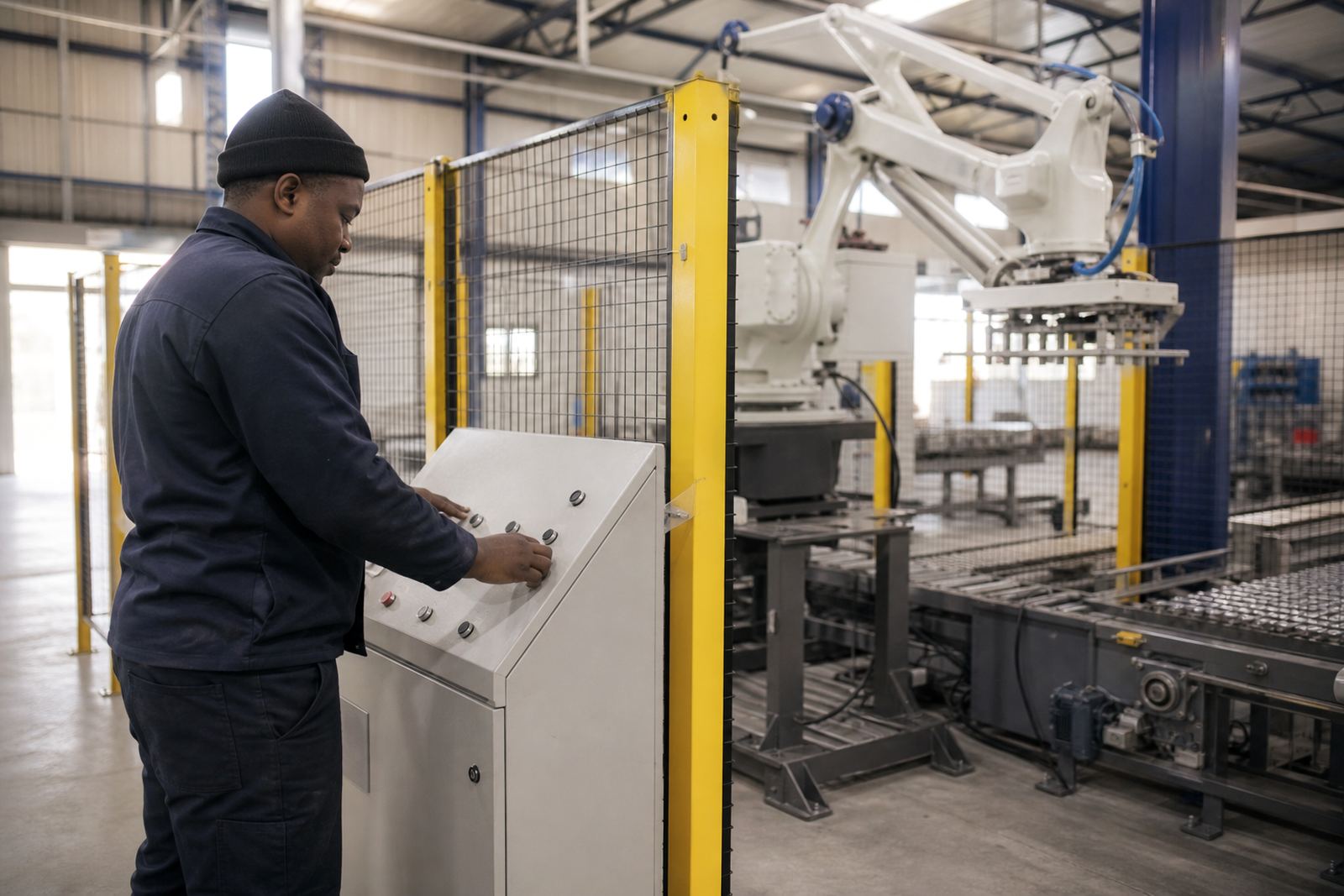
General safety rules are useful, but they are not enough on their own. Every line needs its own risk assessment, and acceptance testing is where those findings are checked in practice. If the site has palletising robots near walkways, forklift paths or manual pack off points, the safety controls must be tested in the real layout.
Typical points to verify include:
- Emergency stops stop the line as intended and are easy to reach
- Restart conditions are clear and do not allow unexpected movement
- Access gates stop motion before anyone can enter a hazardous zone
- Cobot speed and force settings match the intended operating mode
- Warning devices and status signals are visible and understood by operators
When power is restored, the system must restart in a controlled way, with no unexpected movement and no missed steps in the recovery sequence.
Operator training should run alongside the notes
Acceptance testing is not only about machines, it is about people. The operators, shift leaders and maintenance staff need to know what normal looks like, what to do when an alarm appears, and who is allowed to reset or override a fault. If training is left until after handover, the site often loses useful context that was obvious during the test.
Good notes should capture the points that matter for day to day work, including:
- How to start the line safely after cleaning or maintenance
- Which alarms need a quick reset and which need engineering support
- How to clear a carton or bag jam without bypassing safety
- Where the spare parts and consumables are kept
- Who signs off on planned downtime and line changes
For manufacturers in coastal areas such as Durban or Gqeberha, the notes may also mention dust, humidity or corrosion sensitive components. A small detail like panel sealing, cable routing or stainless fixings can save a lot of grief later, especially where washdown or salt air is part of the environment.
How handover notes help after the line goes live
Once the system is accepted, the notes become part of the site memory. They help when a new shift starts, when maintenance staff change over, or when production wants to increase throughput and needs to know what was already proven. They also support breakdown assistance because the first question is often not what failed, but what the line was doing before the fault appeared.
For ReAutomated’s retrofit projects across the East Rand, Midvaal and the major metro areas, a practical handover package should include the tested sequence, the approved safety state, the known limitations and the maintenance points that need attention. That way the line does not become a mystery six weeks later.
Acceptance testing notes are most valuable when they are honest. If something was adjusted three times before it settled, write it down. If a safety gate needed a reposition, note that too. Clear records help the business keep production moving and give the next technician a proper starting point instead of a fresh puzzle.